
 Most pediatric sedation pages cover the procedure: nitrous, general anesthesia, the difference between them, what the dentist will recommend. They don’t cover what the rest of the day looks like – and at Sherrills Ford Pediatric Dentistry, the rest-of-the-day part is what most parents actually have questions about. The procedure is forty-five minutes of the day. The supervised car ride home, the quiet afternoon, the food and drink reintroduction, the bedtime check-in – that’s the other ten or twelve hours, and that’s where the planning has to live for the day to actually work.
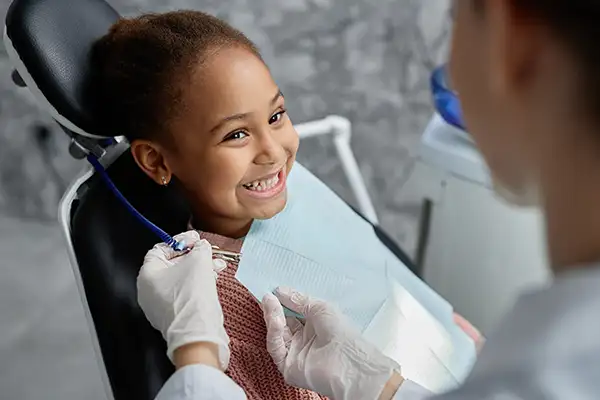 The lighter option is nitrous oxide, what most people know as laughing gas. Your child breathes it through a soft nose mask, and within a few minutes most kids feel lighter and less braced. They stay awake, they breathe on their own, and the effects clear within minutes once the mask comes off. The recovery side is the cleanest part of nitrous – most kids are fully back to themselves by the time they’re back in the car.





Frequently Asked Questions
Can siblings be in the room during the sedation visit?
Usually not in the operatory, especially during general anesthesia. Younger siblings tend to add energy to a room that’s working hard to stay calm, and the anesthesiology setup needs space and quiet. Older siblings can sometimes be in the operatory for nitrous visits if the dentist agrees and the child going through the procedure isn’t going to be distracted by them. The default is for siblings to wait in the lobby or with the other parent. We’re flexible within reason – for Sherrills Ford families coming in for a sedation morning, just ask when scheduling rather than showing up with the whole household expecting all of them in the operatory.
When is it safe for our child to eat after sedation?
For nitrous, almost immediately. Once the mask comes off and the dentist gives a few minutes of pure oxygen, your child can eat normally. For general anesthesia, the food reintroduction is more gradual: clear liquids first, then bland foods, then a regular meal once your child has kept everything down for a few hours. The dentist will send specific guidance home, and if there’s local anesthesia in the mix from the procedure itself, you’ll also want to wait until the numbing wears off so your child doesn’t accidentally bite their lip or cheek.
When can our child go back to school or daycare?
For nitrous, most kids could in theory go back the same day, but in practice parents tend to keep the rest of the day low-key anyway. For general anesthesia, plan on the child being home the rest of the day after the procedure, and ready for school or daycare the following morning if they slept well overnight and seemed fully back to baseline. The exception is if your child has a procedure that creates oral sensitivity – an extraction, for example – in which case soft foods and gentle oral care apply for a day or two regardless of when they’re back at school. For procedures like extractions or fillings that bring sedation forward most often, restorative dentistry in Sherrills Ford covers the post-procedure timeline in detail.
What if our child won’t nap after general anesthesia?
Some kids do, some don’t. Both are normal. The grogginess after general anesthesia isn’t the same as a regular nap state, and a child who fights it isn’t doing anything wrong. The supervision rule isn’t about whether they sleep – it’s about whether an adult is close by while they’re recovering. Reading quietly, watching something low-stimulation, lying on the couch all count. Just keep them off bikes, trampolines, and the stairs they’d normally race down until grogginess fully clears.
What if our child gets nauseous after sedation?
Nausea after general anesthesia is uncommon but possible, and it tends to clear within a few hours with rest, hydration, and the gradual food reintroduction the dentist outlines in the home instructions. After nitrous, nausea is rare unless your child ate too soon before the visit. If your child is vomiting persistently, can’t keep clear liquids down, or seems unusually unwell beyond the expected grogginess, call the office. For families newer to our practice, your first visit is when we establish the medical patterns the post-sedation conversation builds on.