 Some kids can’t sit still in a regular chair, let alone for a thirty-minute dental procedure – and that isn’t a problem to fix; it’s a feature of being four or five. At Locust Pediatric Dentistry, the pediatric sedation conversation often starts with a parent who has been wondering whether their squirmy, energetic kid actually needs sedation, or whether the inability to hold still is just how their child is built. Often the answer is both: yes, the child is wired that way, and yes, sedation is the tool that meets the chair time the procedure requires.
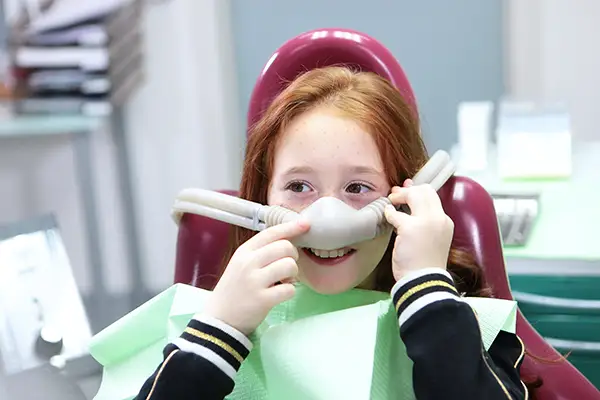
 The lighter option is nitrous oxide, what most people know as laughing gas. Your child breathes it through a soft nose mask, and within a few minutes most kids feel lighter and less braced. They stay awake, they breathe on their own, and the effects clear within minutes once the mask comes off. For an active child whose body wants to move, nitrous often softens the involuntary urge to fidget enough that the procedure can finish in one sitting.



Frequently Asked Questions
What if my child is afraid of the mask?
It happens, especially with younger kids who haven’t seen anything like a nitrous mask before. We approach this slowly – let your child hold the mask before the gas turns on, practice a few breaths through it without the medicine flowing, and give them as much control over the sequence as the visit allows. For most kids, the wariness is about the unfamiliarity, not the mask itself. Once they’ve held it and breathed through it, the worry usually settles. If the mask still doesn’t land, the dentist may suggest a different visit-day plan rather than forcing the issue. For longer procedures that often bring the sedation question forward in the first place, restorative dentistry in Locust is where the planning conversation lives.
How do we know if our active child actually needs sedation, or if they could get through unaided?
The dentist’s chairside read at the consult is the most useful input. A child whose energy level is high in the abstract but who can hold still on demand at home is in a different category than a child whose body genuinely won’t stop moving even when the head is cooperating. Other medical procedures your child has been through – vaccinations, ear exams, blood draws – give useful background, especially if they finished without major upheaval. For procedures the dentist can break into shorter windows, going without nitrous is sometimes feasible. For procedures that need uninterrupted chair time, nitrous is often the cleaner choice even if you’re unsure your child needs it.
How does the practice handle a child who keeps moving during the visit?
A few different ways depending on the moment. At our Locust office, chairside techniques like tell-show-do, paced breaks, and short on-and-off windows between resets are the standard approach for an active child. We coach parents on whether their presence helps or amplifies the child’s energy on the day, and we adjust accordingly. If the child’s movement is making safe completion of the procedure hard, we’ll pause and reset rather than push through. The pause is the point – pushing through often makes the next visit harder, not the current one easier.
Is sedation overkill for a kid who’s just energetic?
Not necessarily. Sedation isn’t only for anxious kids; it’s also for kids whose bodies move in ways that make a procedure hard to complete cleanly. The threshold question is whether the child can plausibly stay still long enough for the procedure to finish, not whether their energy level is “too much” in some abstract sense. Energy isn’t a flaw. Whether nitrous is appropriate depends on the specific procedure and your child’s specific patterns – and that’s a conversation with the dentist, not a self-assessment from the website.
Are there things we can do at home to help our squirmy child sit better at the dentist?
A few things help. Practicing “open mouth and stay still for thirty seconds” as a household game, not framed as practice, builds the muscle a little. Reading age-appropriate books about dental visits in the days before, not the morning of, gives the visit a familiar shape. Skipping caffeine and high-sugar foods that morning. Most importantly, regulating your own energy – kids read parental nervousness more than parental words, and a calm, matter-of-fact arrival helps more than a pep talk does. If your family is newer to our office, your first visit is when we get the read on your child that informs all of these conversations going forward.