 You’ve been through pediatric sedation before with one of your children – and now you’re back at Fuquay Pediatric Dentistry asking the question for the second time, but it isn’t the same question. Same parents, same office, sometimes the same dentist – and a completely different child in the chair. The older one cruised through. This one might not. The pediatric sedation conversation in Fuquay-Varina starts over for each child, even when the parents already know the script.
 The lighter option is nitrous oxide, what most people know as laughing gas. Your child breathes it through a soft nose mask, and within a few minutes most kids feel lighter and less braced. They stay awake and breathing on their own. The effects clear within minutes once the mask comes off. For the child who needs a little extra cushion to settle into a procedure, nitrous is often enough.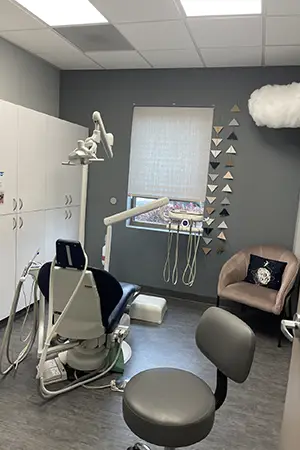



Frequently Asked Questions
Which sedation type is right for my child – how is that decided?
Procedure complexity, the child’s age and weight, the level of anxiety the child is showing or has shown at past visits, and any relevant medical history all feed into the recommendation. None of those factors makes the call alone – they combine. The dentist gets a chairside read on the day of the consult and pairs it with what you bring from home about how this child handles new experiences. The recommendation comes out of that combined picture.
Our older child handled the same procedure without sedation. Why is the dentist suggesting it for our younger one?
Because they’re different kids, and often a different age, weight, and anxiety profile, even when the procedure on paper is the same. Your older child’s experience is useful context for us, but it isn’t a prediction. A four-year-old’s nervous system handles a forty-minute procedure differently than a seven-year-old’s does, and within the same age, two children can differ a lot. The recommendation is for this child, not the household.
Does my child’s medical history change which sedation option is appropriate?
Sometimes, yes. Asthma, certain allergies, sleep-disordered breathing, recent illness, certain syndromes, and specific medications can all factor into whether nitrous, general anesthesia, or a different scheduling structure makes the most sense. Our intake forms and the in-office conversation are where we work that out. If your family is new to our office, your first visit is when the dentist establishes the medical baseline that the sedation conversation builds on.
Can both of my kids be scheduled on the same morning if both need sedation?
Sometimes, depending on the type of sedation and what each child needs. Two nitrous visits can occasionally be coordinated back-to-back. Two general anesthesia visits are harder to stack the same morning because each one needs its own setup, recovery, and post-visit supervision window. We’ll work with you on what makes sense once we know what each child’s procedure involves.
How do we explain the sedation visit to a younger sibling who saw the older one go through it?
Honesty in age-appropriate language usually lands better than reassurance. If the older sibling had a smooth visit, naming it – "Your sister did this and was fine" – can help. If the older sibling had a hard visit, don’t pretend otherwise; instead, focus on what the dentist is doing differently this time. Skip the long pep talk on the morning of. Kids read parental energy more closely than parental words, and a calm, matter-of-fact tone helps more than reassurance does. For ortho-related procedures that occasionally intersect with a sedation visit, orthodontics in Fuquay-Varina handles the broader timeline.