 There is a particular kind of dread that hits a parent in the parking lot before a child’s first real procedure. Every catastrophic scenario rehearsed on the drive in. Every reassurance you gave your child privately doubted. Seatbelt unbuckled three minutes too early because you could not sit still in the car. We see that look in the lobby almost every week at Hickory Grove Pediatric Dentistry in east Charlotte. Parental nerves are part of the pediatric sedation equation, and a good pediatric office accounts for them along with the child’s.
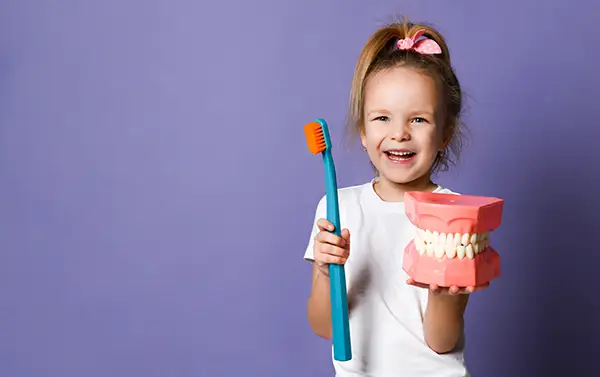 For most pediatric procedures with a child who can sit through the visit, the sedation option is nitrous oxide – laughing gas. Your child wears a soft mask over the nose, breathes normally, and stays awake the whole time. From your vantage as the parent: most nitrous-oxide visits let you stay nearby in the room and watch the procedure happen rather than waiting through it. The gas takes effect within a few minutes, and the effects clear shortly after the mask comes off.




Frequently Asked Questions
How is pediatric sedation different from adult sedation?
The biggest difference is dosing. Kids are not small adults; their bodies process medications differently, and the safe range varies by age and weight. Pediatric dentists train specifically in those calculations, in the monitoring required during a child’s visit, and in the behavior management that helps a child stay calm through the experience. The medications can be similar; the expertise behind their use is what changes. The American Academy of Pediatric Dentistry sets the standards we work within, which is part of why families seek out a pediatric office for these visits and part of how pediatric sedation works across our network of practices.
At what age can a child receive sedation?
There is no fixed age cutoff; what matters is whether sedation is appropriate for the specific child and the specific procedure. Very young children, including toddlers, can sometimes need sedation for early restorative work, while many older children get through routine visits without it. Your dentist looks at the child’s age, weight, medical history, and the procedure together before recommending a sedation plan.
Will the dentist still numb my child if they are sedated?
Yes, in most cases. Sedation calms anxiety; numbing medicine keeps the procedure site comfortable. They do different jobs, and a sedated child may still need local anesthesia at the tooth being treated. With general anesthesia the dynamic shifts because the child is asleep, but your dentist will explain the specifics for the procedure being scheduled.
How long should we plan for a sedation visit?
For nitrous-oxide visits, plan on the procedure time plus a short recovery; most kids are clear-headed within five to ten minutes of the mask coming off. For general anesthesia, expect the entire morning or afternoon: preparation, the procedure itself, and a recovery period before you head home. We give a more specific time estimate when scheduling.
Our older child had sedation here and it went well – can we expect the same for the younger one?
Sometimes yes, sometimes no. Each child is wired differently, and the plan that worked for one sibling may need adjusting for the next. The conversation about which sedation type, and at what level, is its own conversation each time. Tell your dentist about your older child’s experience; it is useful context for planning the second one’s visit.