 Some kids walk into a dentist’s office and barely register the bright overhead light, the buzz of the suction, the clean smell of the exam room. Others pick up on every detail at once, and by the time they are in the chair at Afton Pediatric Dentistry in Concord, they are already at their limit before anything has happened. That is where the pediatric sedation conversation usually starts for the sensory-aware kids we see across Cabarrus County.
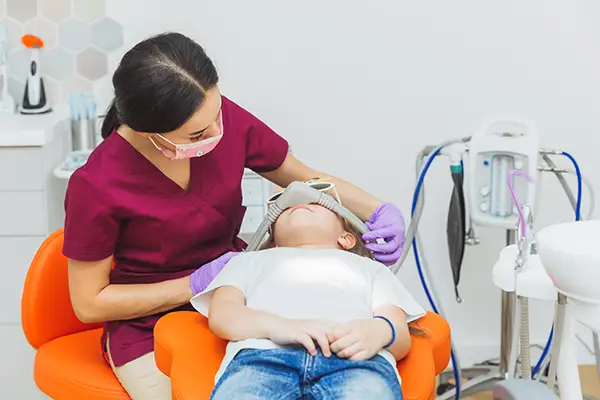
 For a sensory-aware child, the question is not only whether sedation will work; it is also whether the sedation method itself becomes a new sensory obstacle. Nitrous oxide is the most common option in pediatric dentistry: a soft mask delivers an inhaled sedative that calms the child within a few minutes, and the effects clear within minutes once the mask comes off. For some sensory-aware kids, the mask itself is fine and nitrous works exactly as intended. For others, the smell of the mask, the airflow, or the strap behind the ears becomes the new problem – and at that point, the question changes.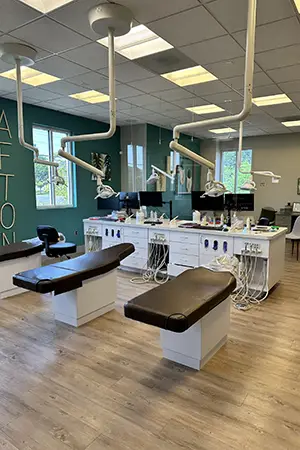








Frequently Asked Questions
What if my child has sensory sensitivities – how does that change the sedation conversation?
Sensory sensitivities do not automatically mean sedation. Sometimes adapting the room, the pace, and your child’s preparation is enough. When sedation does come into the conversation, the question shifts to which option is the gentlest fit. Nitrous oxide arrives through a soft nose mask – tolerable for some sensory-aware kids, harder for others. If the mask itself is the obstacle, your dentist may recommend general anesthesia for longer procedures, where the child would not be aware of the sensory environment at all. For families whose child’s needs go further than a single visit, our broader Special Needs accommodations cover the team’s approach in more detail.
Can my child wear noise-canceling headphones during the visit?
For most cleanings and shorter procedures with nitrous oxide, yes; many sensory-aware kids do better with their own headphones and a calm playlist or familiar audio. For general anesthesia visits, the rules are stricter because the anesthesiologist needs to monitor your child’s breathing and heart rate; in those cases, headphones come off before sedation begins. Mention your child’s preferences when scheduling and we will let you know what is possible for the specific visit type.
How does the dentist decide between nitrous oxide and general anesthesia?
A few factors come together: the procedure’s length and complexity, your child’s age and weight, their medical history, and how previous visits have gone. Nitrous works for most routine procedures with a calm child. General anesthesia is more often reserved for longer visits, multiple procedures done at once, or kids whose anxiety is too high for nitrous to be enough. The recommendation comes after evaluation, not from a checklist.
Will my child remember the procedure?
With nitrous oxide, your child stays awake and remembers the visit, but the experience is usually colored by calm; specific details often blur. With general anesthesia, your child sleeps through the procedure and has no memory of the work itself. Either way, what they are most likely to remember is how the people in the room treated them.
What should we do at home the night after a sedation visit?
Keep the evening quiet. Soft foods at room temperature for the first few hours, plenty of water, and an early bedtime. With general anesthesia in particular, an adult should stay with the child until they are back to baseline – talking normally, walking steadily, eating without trouble. Your dentist will send home written instructions specific to your visit, and we will be a phone call away if anything seems off.