
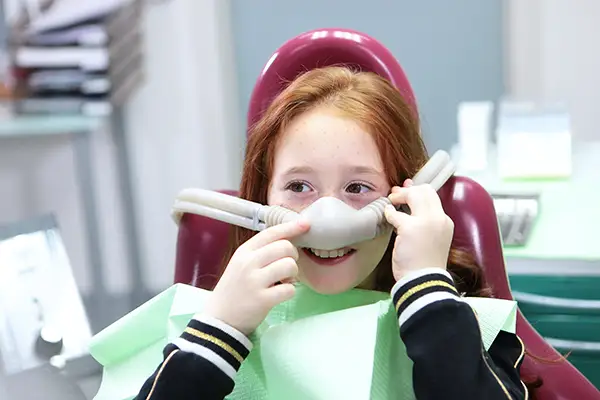
 The first time a child needs a procedure beyond a routine cleaning – a small filling, a baby tooth that has to come out, anything that takes longer than fifteen minutes in the chair – both parent and child are in unfamiliar territory together. That is usually the visit when families across Advance and the Davie County area first ask Advance Pediatric Dentistry about pediatric sedation.
 Two options come up most often when sedation is recommended. The lighter one – and the one most first-time families end up using – is nitrous oxide, what most people know as laughing gas. It is an inhaled sedative your child breathes through a soft nose mask. Within a few minutes, your child feels lighter and less worried about what is happening around them. They stay awake the whole time and breathe on their own. Once the mask comes off, the effects clear within minutes.





Frequently Asked Questions
How do I prepare my child the night before a sedation appointment?
A few small things help more than parents expect. Stick to your child’s normal bedtime routine so they sleep well. Keep any pre-visit conversation short and steady at dinner – a long pep talk often raises anxiety more than it lowers it. Confirm the food and drink restrictions your dentist sent home and follow the timing exactly. Let your child pick whatever they want to bring along the next morning; most kids reach for whatever already travels with them when they need comfort. If this is your family’s first visit to our office, the First Visit overview also gives useful background on what to expect.
Can I stay with my child during the procedure?
For most nitrous-oxide visits, a parent can stay nearby in the room. For general anesthesia visits, the rules are stricter because of how the anesthesiologist needs to monitor your child – you will typically wait in the lobby and rejoin during recovery. Your dentist will tell you what to expect for your child’s specific visit when the appointment is scheduled.
What if my child gets sick the night before? Do we still come in?
Call us. A new cold, fever, congestion, or stomach bug can change what is safe for sedation, especially for general anesthesia. We would much rather reschedule than push through a visit that is not safe. The conversation takes five minutes and we will find the next available time.
How long is recovery after a pediatric sedation visit?
With nitrous oxide, most kids feel back to normal within five to ten minutes after the mask comes off; the gas leaves the body quickly. With general anesthesia, plan on grogginess for the rest of the day, light foods, a quiet afternoon at home, and an adult keeping a close eye on the child. Your dentist sends specific aftercare instructions home with you.
How do I talk to my child about an upcoming sedation visit?
Keep it short and honest. You do not need to use the word “shot” or “needle” the night before; you can say the dentist is going to fix a tooth and that there is a special way to keep your mouth comfortable. Match your child’s age: younger kids do better with fewer details closer to the visit, while older kids may want to know more, sooner. “It is okay to feel nervous about something new” lands better than “you will be fine.”