Frenectomy for Kids in Advance, NC
 If your child struggles with feeding, speech, or a stubborn gap between the front teeth, a frenectomy for kids in Advance, NC may be worth a closer look, and Advance Pediatric Dentistry performs this gentle procedure for infants, toddlers, and older children. A frenectomy releases a small band of tissue, called a frenum, that can tether the tongue or upper lip too tightly. For many families across Davie County, it is the step that finally makes nursing, talking, or brushing easier. If your child struggles with feeding, speech, or a stubborn gap between the front teeth, a frenectomy for kids in Advance, NC may be worth a closer look, and Advance Pediatric Dentistry performs this gentle procedure for infants, toddlers, and older children. A frenectomy releases a small band of tissue, called a frenum, that can tether the tongue or upper lip too tightly. For many families across Davie County, it is the step that finally makes nursing, talking, or brushing easier.
A frenectomy is one of the more common procedures in pediatric dentistry, and it is far less involved than most parents expect. It treats two related conditions, lip and tongue ties, that can interfere with how your child eats, speaks, and cares for their teeth. When the tissue is released early, problems are far less likely to follow your child into later childhood.
We know that hearing the word procedure for a young child can feel daunting. Most pediatric frenectomies take only a few minutes, use advanced techniques that limit bleeding and speed healing, and let your child go home the same day. Our team walks you and your child through each step before anything begins, so the visit holds no surprises.
On This Page
What Is a Frenectomy for Kids?
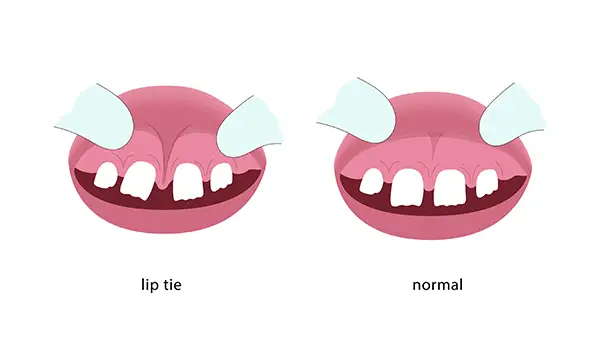 A frenectomy is a short procedure that releases or removes a frenum, the thin band of tissue that connects soft parts of the mouth. Every child has two of these bands that matter here. The lingual frenum runs from the underside of the tongue to the floor of the mouth, and the labial frenum connects the inside of the upper lip to the gum above the two front teeth. A frenectomy is a short procedure that releases or removes a frenum, the thin band of tissue that connects soft parts of the mouth. Every child has two of these bands that matter here. The lingual frenum runs from the underside of the tongue to the floor of the mouth, and the labial frenum connects the inside of the upper lip to the gum above the two front teeth.
When one of these bands is too short, tight, or thick, it can limit movement and cause real problems. A restrictive lingual frenum can make it hard for a baby to nurse or for a toddler to form certain sounds. A low labial frenum can pull on the gum and hold a gap open between the upper front teeth. Releasing the band removes that restriction without harming the surrounding tissue, and treating it early can head off feeding, speech, and spacing issues before they take hold.
Could Your Child Benefit From a Frenectomy?
Parents are often the first to notice that something is limiting their child’s tongue or lip movement. A few signs come up again and again:
- Trouble latching or feeding – An infant who struggles to nurse, clicks while feeding, or tires quickly may have a restrictive lingual frenum.
- Speech that is hard to understand – A tight tongue can make sounds like t, d, l, and r harder for a toddler to form clearly.
- A gap between the front teeth – A low labial frenum can hold the two upper front teeth apart even after they come in.
- Limited tongue movement – If your child cannot lift the tongue to the roof of the mouth or extend it past the lower lip, the frenum may be the reason.
- Irritation or hygiene trouble – A lip or tongue tethered too tightly can make brushing the front teeth and gumline difficult.
None of these signs guarantees that a frenectomy is needed. The only way to know is an evaluation, where our team checks how the frenum moves and whether it is actually causing the problem you are seeing.
Lingual and Labial Frenectomies
The type of frenectomy your child needs depends on which band is causing trouble. A lingual frenectomy addresses a tongue that is tied down too tightly, the kind most often linked to feeding difficulties in infants and speech concerns in older children. A labial frenectomy releases the upper lip tissue, usually to close or prevent a gap between the two front teeth. When a gap is involved, we often coordinate care with orthodontic treatment in Advance so the teeth move into place and hold their new position. Your child’s evaluation determines which approach fits, and in some young children a small gap closes on its own once the permanent teeth come in.
Meet Our Pediatric Dental Team in Advance
Frenectomies sit at the intersection of comfort and precision, which is exactly where a pediatric team belongs. The dentists at Advance Pediatric Dentistry work with infants and children every day, and that focus shapes how a frenectomy goes, from keeping a nervous toddler calm to releasing the frenum cleanly in a child who cannot hold still for long.
For an infant with a tongue tie, feeding is rarely a dental issue alone. Our team regularly works alongside lactation consultants and speech therapists so the release is paired with the support that helps your baby actually feed better afterward. You can meet the doctors who care for children across our Advance office and see the training behind that approach.
What to Expect During the Frenectomy
 Most of what makes a frenectomy feel manageable happens before any tissue is touched. Here is how a typical visit unfolds at our Advance office. Most of what makes a frenectomy feel manageable happens before any tissue is touched. Here is how a typical visit unfolds at our Advance office.
The Consultation and Evaluation
Your child’s first visit is an evaluation, not the procedure itself. Our team examines how the frenum moves, asks about the feeding, speech, or gap you have noticed, and confirms whether a release will actually help. If a frenectomy makes sense, we explain the plan in plain terms and answer your questions before you decide anything.
The Release Itself
On the day of the procedure, we numb the area so your child stays comfortable throughout. We often use a dental laser to release the frenum, which limits bleeding, lowers the chance of infection, and usually removes the need for stitches. The release itself takes only a few minutes. For a child who feels anxious, we can talk with you about sedation options in Advance, including nitrous oxide, to keep the visit calm.
Healing and Stretches at Home
Recovery is usually quick. Mild soreness, light swelling, or a little fussiness for a day or two is normal, and over-the-counter pain relief is typically all your child needs. The one task that matters most is the set of gentle stretches we send home with you. Because the tissue heals so fast, these stretches keep the area from reattaching too soon, and most families perform them a few times a day for one to two weeks. We may schedule a short follow-up to confirm everything is healing the way it should.
Benefits of a Frenectomy for Kids
A frenectomy matters less for the procedure itself than for what your child gains afterward. For an infant, releasing a tight tongue often means a better latch, calmer feedings, and more reliable weight gain, which brings relief to the whole family.
For toddlers and older children, the payoff usually shows up in speech. When the tongue can finally reach the roof of the mouth and move freely, sounds that were once a struggle tend to come more easily, often alongside the work your child does with a speech therapist. A labial frenectomy delivers a different benefit: with the lip tissue released, the front teeth can close together rather than staying separated by a persistent gap.
There are everyday wins, too. A tongue or lip that is no longer tethered makes it easier for your child to brush the front teeth and gumline, which supports the everyday preventive care that keeps decay away as they grow. Because we release the tissue early and gently, your child carries none of the long-term limitations that an untreated tie can leave behind.
Why Advance Families Choose Our Office
Advance Pediatric Dentistry sits in Davie County and draws families from across the area, including nearby Bermuda Run and Mocksville, along with parents who drive in from Winston-Salem, Lewisville, and Lexington. For a procedure as small as a frenectomy, having a pediatric office close to home means the consultation, the release, and the quick follow-up all happen in one familiar place.
What sets the visit apart is not a single piece of technology but a team that treats only children. That focus means the office is built for young patients, from the pace of the appointment to the way our team explains a tongue tie to a worried parent. The same dentists who handle your child’s cleanings and checkups at our Advance office can evaluate and treat a frenum, so your child is never handed off to a stranger for the procedure.
Parents also tell us they value the honesty. Not every tight frenum needs to be released, and we will tell you plainly when watchful waiting is the better call. Our goal is the outcome that helps your child, not an extra procedure on the schedule.
Frenectomy Cost and Insurance
Cost is a fair question, and we would rather be upfront about it. The price of a frenectomy depends on a few things: whether it is a lingual or labial release, your child’s age and how the tissue is positioned, and whether nitrous oxide or other comfort measures are part of the visit. Because those details vary from child to child, the most accurate number comes after the evaluation.
Many dental plans cover a frenectomy when it is tied to a functional concern such as feeding or speech, though the specifics differ by plan. Our front office is glad to review your coverage and walk through what to expect before anything is scheduled. You can find the plans we work with and our payment details on our financial and office policies, and we are happy to answer questions over the phone.
Schedule a Frenectomy Consultation in Advance
If you have noticed signs of a tongue or lip tie, the next step is a simple evaluation. Call Advance Pediatric Dentistry at (743) 259-8887 to schedule your child’s consultation. You can also request an appointment or book online in a few minutes. We are at 135 Medical Drive in Advance, NC, serving families throughout Davie County.
Frequently Asked Questions
Will a frenectomy hurt my child?
For most children, the hardest part is the anticipation. We numb the area first, and when we use a dental laser there is very little bleeding and usually no stitches, so any soreness afterward stays mild. Parents tend to compare it to a bumped lip rather than a procedure, and over-the-counter pain relief is usually all that is needed.
How can I tell if my baby’s tongue tie is affecting feeding?
Feeding problems tend to follow a pattern: a baby who cannot hold a latch, clicks or loses suction while nursing, feeds for a very long time, or struggles to gain weight. Soreness for the nursing parent is another common clue. Our post on whether your child needs a frenectomy walks through these signs, and an evaluation confirms whether the frenum is truly the cause.
What is the difference between a tongue tie and a lip tie?
They involve different bands of tissue. A tongue tie restricts the tongue and is most often connected to feeding and speech. A lip tie tethers the upper lip and is more often linked to a gap between the front teeth. A child can have one or both, and your child’s evaluation identifies which release, if any, will actually help.
Will the tissue grow back after a frenectomy?
It can, and that is exactly what the home stretches prevent. The tissue heals quickly, and without gentle stretching the edges can reattach and undo the release. We show you the specific stretches to do, most families perform them a few times a day for one to two weeks, and we check the area at a short follow-up. Done consistently, reattachment is uncommon.
Is a laser frenectomy better than the traditional method?
For many pediatric frenectomies, the laser has real advantages: it seals tissue as it works, so there is less bleeding, a lower chance of infection, and usually no need for stitches. Healing tends to be faster and more comfortable for a young child. The right method still depends on your child’s specific frenum, which our team confirms at the evaluation.
How long does the whole process take?
The release itself takes only a few minutes, but plan for two visits: an evaluation first, then the procedure once you decide to move forward. The home-stretch period runs about one to two weeks, with a brief follow-up to confirm healing. For a simple case, the active treatment is short, and most of the timeline is just the healing window.
Does insurance cover a frenectomy, and what will it cost?
Many dental plans cover a frenectomy when it is tied to a functional issue such as feeding or speech, though coverage varies by plan. We do not quote a flat price, because the cost depends on the type of release, your child’s age, and any comfort measures used. Our front office will review your benefits and give you a clear estimate before anything is scheduled.
Why should we choose Advance Pediatric Dentistry for our child’s frenectomy?
We treat only children, so the whole visit is built around young patients, from how we explain a tongue tie to a nervous parent to how we keep a toddler calm during the release. Care stays with the same Advance team through the consultation, the procedure, and the follow-up, and we coordinate with lactation or speech support when a tongue tie calls for it. If watchful waiting is the smarter choice for your child, we will tell you. You can see what a first visit looks like before you come in.
|