Baby Root Canals (Pulpotomy) in Concord, NC
 If a cavity in your child’s baby tooth has reached the nerve, a baby root canal, also called a pulpotomy, can stop the discomfort and save the tooth at our Concord, NC office. Parents are often surprised to learn that a cavity has grown deep enough to need more than a filling, especially when their child has barely complained. Once decay reaches the soft center of a tooth, a filling alone will not solve the problem, and a pulpotomy steps in to treat the tooth from the inside. If a cavity in your child’s baby tooth has reached the nerve, a baby root canal, also called a pulpotomy, can stop the discomfort and save the tooth at our Concord, NC office. Parents are often surprised to learn that a cavity has grown deep enough to need more than a filling, especially when their child has barely complained. Once decay reaches the soft center of a tooth, a filling alone will not solve the problem, and a pulpotomy steps in to treat the tooth from the inside.
Saving that tooth is worth the effort. A baby molar holds the spot for the permanent tooth growing under it, and losing one early can crowd the bite and complicate things later. At Afton Pediatric Dentistry in Concord, our whole focus is treating children, so we keep the experience calm and move at a pace that works for a young patient.
It is natural to feel uneasy when your child needs dental work. In practice, a pulpotomy is a routine, predictable treatment, and the tooth is fully numb before we begin, so most children handle it well. It belongs to the same group of extractions and pulpotomies we use to keep growing smiles healthy, and it is almost always the gentler choice when a tooth can be saved.
On This Page
What Is a Baby Root Canal (Pulpotomy)?
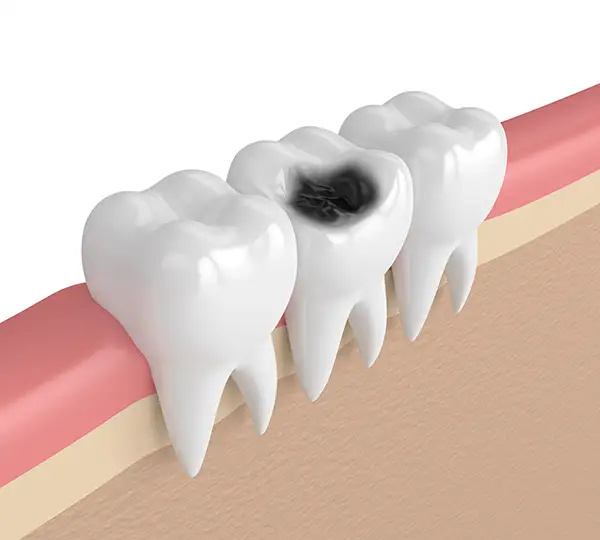 A baby root canal, or pulpotomy, treats a tooth once decay reaches the pulp, the living tissue of nerves and blood vessels at the center of the tooth. Our team clears the damaged pulp out of the crown of the tooth, places a medicated dressing that protects the healthy tissue still in the roots, and seals everything with a crown. The result is a tooth that stays comfortable and keeps working until your child loses it naturally. A baby root canal, or pulpotomy, treats a tooth once decay reaches the pulp, the living tissue of nerves and blood vessels at the center of the tooth. Our team clears the damaged pulp out of the crown of the tooth, places a medicated dressing that protects the healthy tissue still in the roots, and seals everything with a crown. The result is a tooth that stays comfortable and keeps working until your child loses it naturally.
Despite the name, a pulpotomy is not the same procedure an adult goes through. In an adult root canal, the dentist removes pulp from the entire tooth, roots included. A pulpotomy is deliberately more conservative, addressing only the crown of the tooth and preserving the root tissue, which is the right approach for a baby tooth on its way out in a few years.
Signs Your Child May Need a Pulpotomy
Decay deep enough to need a pulpotomy does not always announce itself, which is part of why regular checkups matter. Watch for a toothache that lingers, sensitivity to hot or cold, a bump or swelling on the gum, or a tooth that looks dark. Sometimes there are no symptoms at all, and we find the problem on an X-ray during a routine visit. Many of these cavities trace back to early childhood cavities that started small and spread.
Could My Child Need an Extraction Instead?
A pulpotomy works when the root tissue is still healthy. If infection has spread through the whole tooth or an abscess has formed, the tooth may need to come out instead. When that happens, we often place a space maintainer to keep the gap open so the permanent tooth has room to come in straight. We always talk through the options with you and explain why one path fits your child’s tooth better than another.
Your Child’s Pediatric Dentists in Concord
Every dentist on our team is a pediatric specialist, with training that continued beyond dental school into a residency centered on treating children. That focus matters for a baby root canal, where judging the health of a young tooth and keeping a child relaxed are as important as the hands-on work. You can get to know the dentists who treat our patients through our Meet the Doctors section.
Working with children day in and day out also changes how a visit feels. Our dentists and team explain things in plain language, let a child set some of the pace, and never rush a young patient who needs a moment. During a pulpotomy, that might mean letting your child hold a mirror, counting through a step together, or pausing to answer a question before moving on.
What to Expect During Your Child’s Pulpotomy
 A baby root canal almost always wraps up in one appointment, usually in under an hour from start to finish. A baby root canal almost always wraps up in one appointment, usually in under an hour from start to finish.
Getting Comfortable
Before anything else, we make sure your child cannot feel the tooth, numbing the area gently and giving it time to take full effect. Children who feel nervous often do well with nitrous oxide, a mild form of relaxation that wears off quickly. If your child needs more help to settle, we can talk through other sedation options for kids.
Treating the Tooth
With the tooth numb, we remove the decay and the inflamed pulp from the crown. Taking that irritated tissue away is what relieves the ache your child has been feeling. The healthy pulp deeper in the roots stays untouched, which is what sets a pulpotomy apart from a full root canal.
Sealing and Crowning
We then place a medicated material to settle and protect the remaining tissue and seal the tooth against bacteria. Because a tooth treated this way is more fragile, we cover it with a crown. The crown lets your child bite and chew normally and stays put until the baby tooth gives way to the permanent one.
After the Visit
Your child can usually get back to a normal day right away, with only mild tenderness as the numbness fades. We will go over easy aftercare with you and stay available for any questions. Should a sudden toothache or a knocked tooth ever come up, our team also handles pediatric dental emergencies in Concord.
Why Saving the Tooth Is Worth It
Keeping a baby tooth through a pulpotomy does more for your child than avoiding an extraction, and the payoff shows up in everyday ways.
The biggest reason is space. Each baby molar reserves the spot for the adult tooth developing beneath it. Take that tooth out too soon and the neighboring teeth tend to lean into the gap, which can leave the permanent tooth without enough room and set up alignment problems that are harder to fix later.
Comfort and function matter too. A saved tooth lets your child keep eating a full range of foods and forming sounds clearly, and removing the inflamed nerve tissue puts an end to the toothache that brought you in. Most children feel noticeably better within a day of treatment.
Saving the tooth also tends to be the simpler road. Your child usually avoids the gap, the space maintainer, and the extra visits that can follow an early extraction. If you are curious about how much these small teeth really do, our page on why baby teeth matter lays it out.
Why Concord Families Trust Our Pediatric Team
A baby root canal is well within the skill of a team that treats children all day, and that is what sets a pediatric practice apart from a general office. Afton Pediatric Dentistry is part of a statewide network of pediatric practices, and everything from the layout of our Concord office to the way we talk to a worried child is designed around young patients.
That experience guides the details that make a pulpotomy go well. We can read when a child needs a slower approach and when they are ready to move ahead, and we match the comfort options to the child in the chair. For families who have had a rough dental visit before, that read on a child often makes the difference between a hard appointment and an easy one.
Keeping your child’s care in one place helps as well. The tooth we treat today may later need a sealant or another kind of restorative dentistry in Concord, and returning to a team your child already knows takes the edge off each visit. Our aim is simple: protect this tooth and the healthy adult smile taking shape behind it.
What a Baby Root Canal Costs
Cost is a fair question, and we will give you straight answers. What a pulpotomy costs depends on the tooth involved, whether a crown is part of the plan, and any comfort options your child needs during the visit. Since those vary from one child to the next, we can share an accurate figure only after we have looked at the tooth.
Most dental plans put pulpotomies and the crowns that go with them in the covered category, because they treat decay rather than appearance. Our front desk will gladly check your benefits and explain your share before we begin. You can also review the plans we accept and the payment choices we offer on our financial and office policies.
If money is what is holding you back, talk with us. Handling decay now is almost always easier and less costly than waiting for it to turn into an infection. Call our Concord office at (980) 291-4013 and we will help you figure out coverage and next steps.
Schedule Your Child’s Visit in Concord
Has your child been dealing with a toothache, or did a checkup turn up a deep cavity? Our Concord team can tell you whether a pulpotomy is the right answer. Call us at (980) 291-4013 or request an appointment online. You will find us at 5641 Poplar Tent Rd. Suite 201 in Concord, NC. You can also Click Here to Book an Online Appointment at any time.
Frequently Asked Questions
Is a baby root canal the same as pulling the tooth?
No. A baby root canal saves the tooth, while an extraction removes it, and whenever the root tissue is still healthy we would rather save it. Keeping the natural tooth protects your child’s bite and avoids the gap an extraction leaves behind. We only recommend removal when a tooth is too damaged or infected to keep.
Does a pulpotomy hurt?
Your child should not feel the tooth, because we numb it fully before we start. Nitrous oxide is available to help nervous children relax during the visit. Afterward, expect only mild tenderness for a short time, usually managed with a children’s over-the-counter medicine. Tell us if your child has struggled at the dentist before, and we will add extra steps to keep them at ease.
How many visits will my child need?
Usually just one. We typically complete the pulpotomy and place the crown in a single appointment that runs under an hour. If more than one tooth needs treatment, or if your child needs extra time to feel comfortable, we may split the work across two visits and will let you know in advance.
What happens if we do not treat the tooth?
Left alone, decay that has reached the nerve keeps spreading. It can lead to a painful abscess, harm the permanent tooth forming underneath, and sometimes cause an infection that affects more than the mouth. Treating it early with a pulpotomy is far simpler than managing those problems later. More on that in our article on how an untreated cavity can lead to tooth loss.
Will my child need a crown after the pulpotomy?
In most cases, yes. A tooth that has had a pulpotomy is weaker than before, so a crown protects it from cracking and lets your child chew normally. For a back tooth, the crown is usually a durable metal cap, and for a visible front tooth we can use a tooth-colored option as part of our restorative care for children. The crown comes off on its own when the baby tooth is ready to fall out.
How do I know if my child is a candidate?
The clearest way to know is an exam and an X-ray, because the decision depends on how deep the decay goes and whether the root tissue is still healthy. A deep cavity, a lingering toothache, or sensitivity that does not fade are common signs that a tooth may qualify. Our team looks closely and explains what we find before recommending a pulpotomy or another option.
How do I care for the tooth afterward?
Treat it much like any other tooth, with a few easy adjustments at first. Stick to softer foods for the first day if the area is tender, brush gently around the new crown, and keep up regular checkups so we can watch the tooth over time. Call us if you notice swelling, a fever, or discomfort that does not ease.
Where can my child get a baby root canal near Concord?
Our team provides baby root canals at Afton Pediatric Dentistry on Poplar Tent Road in Concord. Because we treat only children, the office and the visit are shaped around young patients, which makes a pulpotomy far less stressful for them. For anxious children or more involved treatment, we also offer sedation dentistry in Concord so care stays comfortable.
|