ADA Accessibility Information
Accessibility

A
A

A
Home For Parents Dental Blog Your Child and Sippy Cups

Your Child and Sippy Cups


Posted on 12/1/2025 by NC Pediatric Dentisty
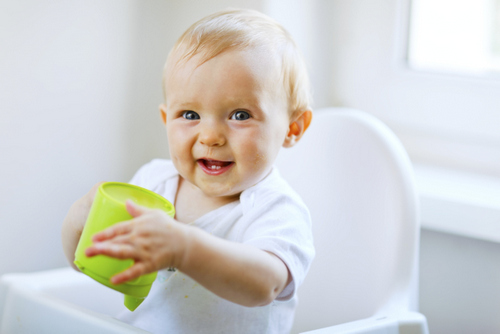
Baby holding sippy cupSippy cups: they seem like such a simple invention to help little ones transition from bottles, but there's more to them than meets the eye. As a pediatric dentist, I often get questions from parents about the best way to use sippy cups to support healthy dental development. Let's explore some key things to keep in mind.

What's the Purpose of Sippy Cups?


Sippy cups are designed to be a stepping stone. They help children learn to drink from a cup without spilling as much liquid. Ideally, they should be used as a temporary tool, not a long-term replacement for a bottle.

The Sugar Situation


One of the biggest concerns with sippy cups is what they contain. Think about it: a child might sip on juice, milk, or other sweetened beverages from a sippy cup throughout the day. This constant exposure to sugar creates a breeding ground for bacteria that cause cavities. This is especially concerning because it contributes to baby bottle tooth decay, a serious condition that can affect a child's developing teeth. Water should be the primary drink offered in sippy cups.

Flow Matters


The type of sippy cup you choose also plays a role. Some sippy cups have a valve that requires the child to suck continuously to get liquid. This constant sucking action is similar to bottle feeding, and can contribute to dental problems. It is better to use a cup with a free-flow valve.

When to Ditch the Sippy Cup


The American Academy of Pediatrics recommends weaning children off sippy cups around the age of one year. By this age, children should be developing the motor skills necessary to drink from a regular cup with minimal spilling. Transitioning away from sippy cups encourages the development of normal swallowing patterns.

Oral Hygiene is Key


Whether your child is using a bottle, sippy cup, or regular cup, good oral hygiene is essential. Brush your child's teeth twice a day with fluoride toothpaste. Regular check-ups with a pediatric dentist will also help to prevent and address any dental issues early on.

Tips for Transitioning


Here are a few tips to help your child transition from a sippy cup to a regular cup:

•  Start early: Introduce a regular cup with meals around six months of age.
•  Make it fun: Choose cups with fun designs or characters that your child will enjoy.
•  Be patient: Expect spills! It takes time for children to develop the coordination to drink from a regular cup without making a mess.
•  Offer support: Help your child hold the cup at first, and gradually allow them to do it on their own.
•  Limit sugary drinks: Offer water in a regular cup to quench your child's thirst.

A Healthy Smile is the Goal


Using sippy cups wisely can support your child's dental health. By understanding the potential risks and taking steps to minimize them, you can help your child develop healthy habits that will last a lifetime. Working with your pediatric dentist will help ensure that your child's smile stays bright.


A BETTER DENTAL EXPERIENCE


NC’s Premier network of pediatric dental practices is committed to delivering a full suite of trusted, comfortable, and informative oral care services. With kid-centric spaces and experiences, we teach kids how to care for their smiles.

Sitemap
Copyright © 2024-2025 NC Pediatric Dentistry and WEO Media - Dental Marketing (Touchpoint Communications LLC). All rights reserved.
NC Pediatric Dentistry, 202 Williamson Rd. Suite 200, Mooresville, NC 28117 ^ tbd ^ ncpediatricdentistry.com ^ 12/19/2025 ^ Page Keywords: pediatric dentist ^