ADA Accessibility Information
Accessibility

A
A

A
Home For Parents Dental Blog Stop Existing Decay

Stop Existing Decay


Posted on 12/1/2025 by NC Pediatric Dentisty
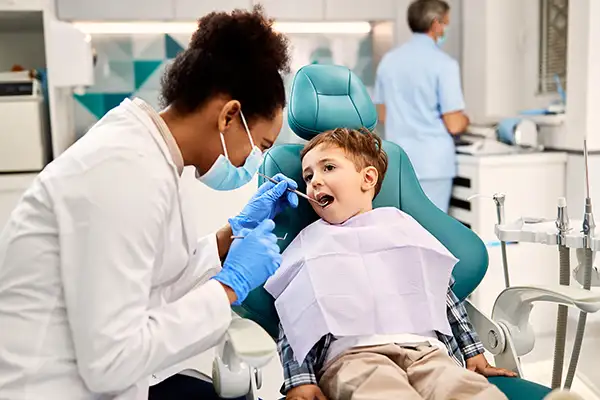
Little boy in dental chair smiling with DentistHave you ever wondered what's really happening when your dentist talks about a cavity? It's more than just a hole in your tooth! Tooth decay, also known as cavities or dental caries, is a common problem, especially in children. But understanding what causes it and how to stop it in its tracks can make all the difference for a healthy, happy smile.

What Causes Decay?


Think of your mouth as a bustling city filled with tiny residents called bacteria. Some are helpful, but others are troublemakers. These troublemakers love sugar! When you eat sugary foods or drinks, these bacteria feast on the sugar and produce acids. These acids attack the enamel, which is the hard, protective outer layer of your teeth. Over time, repeated acid attacks weaken the enamel, leading to a cavity.

Spotting the Signs


Catching decay early is crucial. Sometimes, you might not even feel anything in the beginning. But as the decay progresses, you might notice:

•  Sensitivity to hot or cold foods and drinks.
•  Pain when chewing.
•  Visible holes or pits in your teeth.
•  Dark spots on your teeth.

If you experience any of these symptoms, it's important to see a dentist as soon as possible.

Fighting Back Against Decay


The good news is that tooth decay is preventable and even reversible in its early stages! Here are some key strategies to keep your smile healthy:

•  Brush Regularly: Brush your teeth at least twice a day with fluoride toothpaste. Fluoride strengthens enamel and helps protect against acid attacks. Make sure to brush for two minutes each time, reaching all surfaces of your teeth.
•  Floss Daily: Flossing removes plaque and food particles from between your teeth, where your toothbrush can't reach. This helps prevent decay from forming in those hard-to-reach areas.
•  Limit Sugary Foods and Drinks: The less sugar you consume, the less fuel the bacteria have to produce acid. Choose water over sugary drinks and opt for healthy snacks like fruits and vegetables.
•  Consider Fluoride Treatments: Your dentist may recommend fluoride treatments to further strengthen your enamel, especially if you are at a higher risk for decay.
•  Regular Dental Check-ups: Regular dental check-ups are essential for early detection and prevention. Your dentist can identify early signs of decay and provide personalized advice on how to maintain good oral hygiene.

Diet is Key


What you eat plays a huge role in your dental health. Certain foods can actually help protect your teeth:

•  Cheese: Cheese helps neutralize acids in your mouth and contains calcium, which strengthens enamel.
•  Fruits and Vegetables: Crunchy fruits and vegetables like apples and carrots stimulate saliva production, which helps wash away food particles and neutralize acids.
•  Water: Drinking plenty of water throughout the day helps rinse away food particles and keeps your mouth hydrated, which is important for saliva production.

A Team Effort


Stopping existing decay and preventing future problems is a team effort. By understanding the causes of decay, practicing good oral hygiene, and making healthy dietary choices, you can protect your smile for years to come. Remember to work closely with your dentist to develop a personalized plan for your oral health needs. A healthy smile is a happy smile!


A BETTER DENTAL EXPERIENCE


NC’s Premier network of pediatric dental practices is committed to delivering a full suite of trusted, comfortable, and informative oral care services. With kid-centric spaces and experiences, we teach kids how to care for their smiles.

Sitemap
Copyright © 2024-2025 NC Pediatric Dentistry and WEO Media - Dental Marketing (Touchpoint Communications LLC). All rights reserved.
NC Pediatric Dentistry, 202 Williamson Rd. Suite 200, Mooresville, NC 28117, tbd, ncpediatricdentistry.com, 12/19/2025, Related Phrases: pediatric dentist,