Cavities in Baby Teeth & Toddlers in Dunn, NC
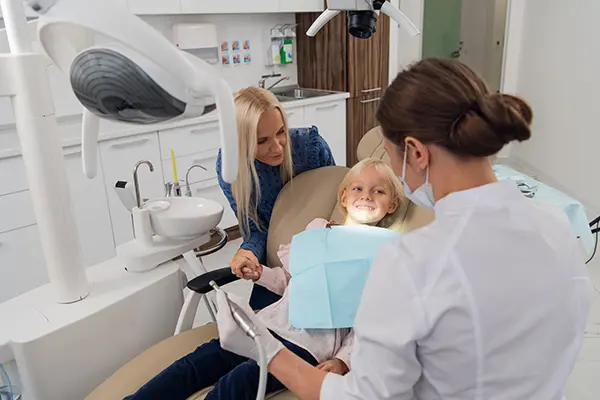 A child’s first cavity can catch parents off guard, and at Dunn Pediatric Dentistry we make it a calm, reassuring experience, treating cavities in baby teeth and toddlers in Dunn, NC with patience and a gentle touch. Cavities are the most common chronic condition of early childhood, and baby teeth develop them more quickly than adult teeth because their enamel is thinner. Treating a cavity early keeps your child comfortable and protects the permanent teeth forming underneath. A child’s first cavity can catch parents off guard, and at Dunn Pediatric Dentistry we make it a calm, reassuring experience, treating cavities in baby teeth and toddlers in Dunn, NC with patience and a gentle touch. Cavities are the most common chronic condition of early childhood, and baby teeth develop them more quickly than adult teeth because their enamel is thinner. Treating a cavity early keeps your child comfortable and protects the permanent teeth forming underneath.
For most young children, decay starts quietly and painlessly, often appearing as a chalky white or brown spot before a tooth ever hurts. Caught early, it is usually simple to treat. Our team explains everything as we go, so you understand what is happening and your child feels safe in the chair. There are good reasons baby teeth matter, even though they eventually fall out.
If this is your child’s first cavity, take a breath. Plenty of Dunn families have sat where you are, and the path forward is usually easier than it sounds. We treat the tooth and make sure you leave knowing how to keep new cavities away.
On This Page
What a Cavity in a Baby Tooth Is
 A cavity is a small hole in a tooth caused by acid. The bacteria that live in everyone’s mouth feed on sugars and starches and release that acid, which gradually dissolves the enamel until a hole forms. In baby teeth, the enamel is thinner, so the process moves faster and a minor spot can turn into a real cavity within months. A cavity is a small hole in a tooth caused by acid. The bacteria that live in everyone’s mouth feed on sugars and starches and release that acid, which gradually dissolves the enamel until a hole forms. In baby teeth, the enamel is thinner, so the process moves faster and a minor spot can turn into a real cavity within months.
What Makes Cavities More Likely
The biggest factor is how often a child’s teeth meet sugar. A bottle or sippy cup at bedtime, juice nursed throughout the day, and sticky snacks like fruit chews all keep acid levels high for long stretches. Difficulty with daily brushing, especially before bed, adds to the risk. None of this means a parent did anything wrong, but knowing the triggers helps us prevent the next cavity together, and our cavity prevention tips for kids lay out the changes that matter most.
Why We Treat Baby Teeth
It is fair to wonder why a tooth that will fall out needs treatment. The answer is that baby teeth do years of important work first: they let your child chew and speak, they hold space so the adult teeth come in straight, and they protect the developing permanent tooth underneath. An untreated cavity can lead to pain, infection, and damage to that adult tooth, so treating it early is almost always the better path.
Caring for Cavities in Dunn
A cavity in a small child calls for more than a steady hand. It calls for a team that knows how to ease a nervous toddler and keep the visit positive. Every dentist at Dunn Pediatric Dentistry trained specifically in pediatric dentistry after dental school, with a focus on how children’s teeth develop and how to make care feel safe and calm. That training guides how we explain each step, how we pace the appointment, and which treatment fits a child this young.
For your child’s cavity, that means choosing the gentlest effective option for their age and comfort, then explaining it to you clearly. Our pediatric dentists care for children throughout the Dunn area, and the dentist who plans the treatment is the one who provides it.
What to Expect at the Appointment
A cavity visit for a young child usually takes one appointment. We walk your child through each part in simple words so nothing feels like a surprise.
A Close Look and a Clear Diagnosis
We begin by examining the tooth and, when a cavity may be hiding between teeth, taking a low-dose digital X-ray. This tells us how deep the decay reaches so we can recommend the right treatment rather than guess.
Choosing the Right Treatment Together
We then explain the options and the reasons behind each. A small cavity often needs only a tooth-colored filling, while a larger one in a molar may need a crown that protects the tooth until it falls out on its own. You have time for questions before we begin.
Keeping Your Child Calm and Comfortable
Comfort leads everything we do. We numb the tooth gently after a topical gel and let your child set the pace. For a child who is very young or anxious, we also offer safe sedation options that help them relax and stay still while we work.
Aftercare and Prevention
After treatment, we go over how to care for the tooth and how to lower the chance of another cavity, which usually means a few small changes at home rather than a long list. Our brushing tips for kids help make the routine stick, and we schedule a follow-up to be sure the tooth is healing well.
How Early Treatment Helps
 Treating a cavity early does far more than fix one tooth. It keeps your child out of pain now and prevents a small problem from turning into an urgent, stressful one. Treating a cavity early does far more than fix one tooth. It keeps your child out of pain now and prevents a small problem from turning into an urgent, stressful one.
The sooner we act, the gentler the treatment tends to be.
- Stops pain before it starts – Early care prevents the toothaches and abscesses that wake children at night.
- Protects the adult tooth – Infection in a baby tooth can reach the permanent tooth forming below it.
- Keeps the smile aligned – Holding onto a baby tooth until it is ready to fall out helps the adult teeth come in straight.
- Means simpler care – A quick filling is much easier on a child than a pulpotomy or extraction later.
- Creates positive memories – Easy early visits help your child feel at ease with the dentist for years.
If a tooth has to be removed early, a space maintainer can hold the space until the adult tooth arrives, though saving the natural tooth is always our goal.
Why Dunn Families Choose Our Team
Everything about our office is shaped around children. The space, the pace, and the way our team guides a frightened toddler through a filling are all built for young patients rather than borrowed from an adult practice. When a child needs treatment, that focus is what turns a tense moment into a manageable one.
Families in Dunn also value having complete care in one place. We cover your child’s full range of needs, from routine prevention that catches cavities early to treatment when decay has set in, so you are not referred elsewhere for a filling or crown. Keeping it all under one roof makes care simpler for busy parents.
We are honest, too. If a spot is better watched than treated, we say so. If treating now will spare your child a harder visit later, we explain exactly why. That consistency is why Dunn families keep coming back.
Cost and Insurance
Cost is a reasonable thing to ask about, and we would rather be clear than vague. What it costs to treat a cavity depends on the details: how deep the decay is, whether the tooth needs a filling or a crown, which tooth is affected, and whether sedation will help your child through the visit. Once we examine the tooth, we can give you a real estimate.
Most dental plans cover a good portion of children’s cavity treatment as basic restorative care. Our financial office policies page explains how we handle insurance and payment, and our team checks your child’s benefits before treatment begins. Call our Dunn office at (910) 984-0026 and we will confirm your coverage and walk you through the costs.
Book a Visit in Dunn
The sooner we see your child, the simpler the path back to a healthy, comfortable smile. Call our Dunn team at (910) 984-0026 to schedule. You can also Click Here to Book an Online Appointment whenever it is convenient. We are located at 711 Tilghman Dr in Dunn, NC.
Frequently Asked Questions
My child has no pain. Could there still be a cavity?
Yes, and it is common. Most early cavities cause no pain at all, which is why they often turn up at a checkup before a parent notices anything. Pain usually means the decay has reached deeper into the tooth, so it is better to catch a cavity at the painless stage. Regular visits are the most reliable way to find them early.
What are baby tooth cavities treated with?
Small cavities usually get a tooth-colored filling that bonds to the tooth and blends in. A larger cavity, especially on a back molar, may need a stainless steel or white crown for durability. If decay reaches the nerve, a pulpotomy with a crown can save the tooth. These are all part of the restorative care we provide, and we choose the least involved option that fully fixes the problem.
Does treating a cavity hurt?
We fully numb the tooth first, so most children feel only pressure during the filling. A flavored gel numbs the surface before the injection, so the numbing itself is barely noticeable. For a very young or anxious child, safe sedation can keep them relaxed and comfortable through the whole visit.
Can cavities be passed from parent to child?
The bacteria that cause cavities can spread through saliva, so sharing a spoon or cleaning a pacifier in your own mouth can pass them to your child. Decay does not jump between a child’s own teeth, but the habits and bacteria behind one cavity often lead to others. That is why we treat the cavity and the cause together.
How soon should a cavity be treated?
Sooner is better, because decay in baby teeth spreads quickly. A small cavity caught early may need only a simple filling, while waiting can let it reach the nerve and require a crown or pulpotomy. There is no need to panic over a tiny spot, but it should be seen and planned rather than ignored.
When should my child first see a dentist?
By the first birthday, or within six months of the first tooth coming in. Early visits are short and mostly about comfort and spotting risk factors before cavities form. You can learn what to expect at your child’s first dental visit with our Dunn team.
Will insurance help pay for treatment?
In most cases, yes. Basic fillings are typically covered, while crowns and sedation may be covered at a lower rate or need extra documentation. Because every plan differs, our Dunn team checks your child’s specific benefits and gives you the numbers before treatment starts.
Why choose Dunn Pediatric Dentistry for my child?
Because young children are our whole focus, and cavities in baby teeth are part of our everyday work. Our dentists are pediatric specialists, our Dunn office is set up to keep kids comfortable, and we provide fillings, crowns, sedation, and prevention in one place. If your child has a cavity, you can call us or request a visit online whenever you are ready.
|