Baby Root Canals (Pulpotomy) in Statesville, NC
 When a cavity in a baby tooth goes deeper than a filling can fix, a baby root canal, or pulpotomy, is the next step that saves the tooth, and our team provides this care for children in Statesville, NC. A filling takes care of decay caught early, but once it reaches the nerve inside the tooth, the tooth needs more than a filling to settle down. A pulpotomy removes the diseased tissue from the top of the tooth, calms the area, and seals it under a crown, so your child keeps the tooth until it falls out naturally. When a cavity in a baby tooth goes deeper than a filling can fix, a baby root canal, or pulpotomy, is the next step that saves the tooth, and our team provides this care for children in Statesville, NC. A filling takes care of decay caught early, but once it reaches the nerve inside the tooth, the tooth needs more than a filling to settle down. A pulpotomy removes the diseased tissue from the top of the tooth, calms the area, and seals it under a crown, so your child keeps the tooth until it falls out naturally.
Keeping it matters more than it might seem. A baby molar reserves the spot for the permanent tooth growing in beneath it, and an early loss can push the bite out of line later on. At Statesville Pediatric Dentistry, children are the only patients we treat, and that focus shapes everything from the atmosphere of the office to the way we walk a nervous child through each step.
A bit of unease is understandable when your child needs more than a filling. It helps to remember that a pulpotomy is a routine, well-practiced treatment, and we fully numb the tooth first, so the large majority of children come through it without trouble. It belongs to the same family of extractions and pulpotomies we draw on to keep young teeth healthy, and holding onto a tooth is almost always gentler than taking it out.
On This Page
What the Treatment Involves
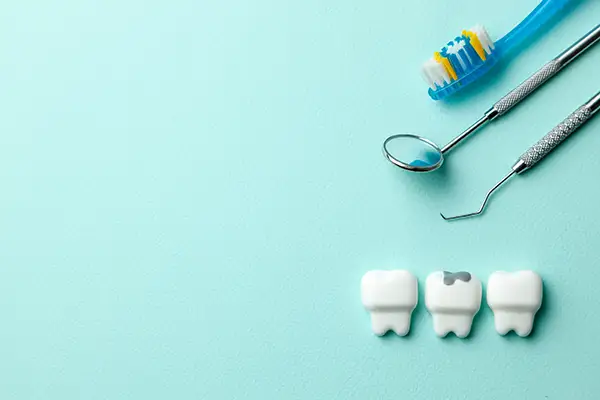 A pulpotomy, or baby root canal, steps in when decay reaches the pulp inside a tooth, the soft tissue that holds its nerves and blood supply. Our team clears the inflamed pulp from the crown of the tooth, places a medicated material that quiets the healthy tissue still in the roots and guards against infection, then seals the tooth under a crown. The ache lets up, and the tooth gets back to its everyday work until your child loses it on its own. A pulpotomy, or baby root canal, steps in when decay reaches the pulp inside a tooth, the soft tissue that holds its nerves and blood supply. Our team clears the inflamed pulp from the crown of the tooth, places a medicated material that quiets the healthy tissue still in the roots and guards against infection, then seals the tooth under a crown. The ache lets up, and the tooth gets back to its everyday work until your child loses it on its own.
The name unsettles plenty of parents, because it echoes the longer procedure adults sometimes go through. That version clears the pulp from the whole tooth, roots and all. A pulpotomy is purposely narrower, treating only the crown and leaving the living root tissue undisturbed, which is the right call for a tooth set to fall out within a few years.
Signs Your Child May Need One
Decay can reach the nerve before your child says a word, so the signals are easy to overlook. Watch for a toothache that drags on, a tooth that reacts to hot or cold, a sore spot on the gum, or a tooth that turns darker. Many times there is no symptom at all, and our team turns it up during an exam or on an X-ray. Most of these begin as plain early childhood cavities that crept along unnoticed.
When a Tooth Is Better Off Removed
A pulpotomy holds up only while the tissue in the roots is healthy. If infection has worked into the root or an abscess has taken hold, removing the tooth is the safer route, and we often add a space maintainer that keeps the gap open so the adult tooth has room to land straight. We always walk you through what we see and why one option suits the tooth more than the other.
Our Pediatric Dentists in Statesville
Each dentist with us trained specifically in pediatric dentistry, devoting a residency after dental school to caring for children alone. That preparation matters in a baby root canal, where judging a small tooth correctly and keeping a child calm carry as much weight as the procedure itself. You can meet the dentists who look after our patients on our Meet the Doctors section.
Good care for a child takes more than steady hands. Our dentists and team put each step into plain language, let young patients help set the speed, and ease up when one needs a moment. During a pulpotomy, that might mean handing your child a mirror to look with, describing what is about to happen, or waiting while a question gets answered.
What the Visit Looks Like
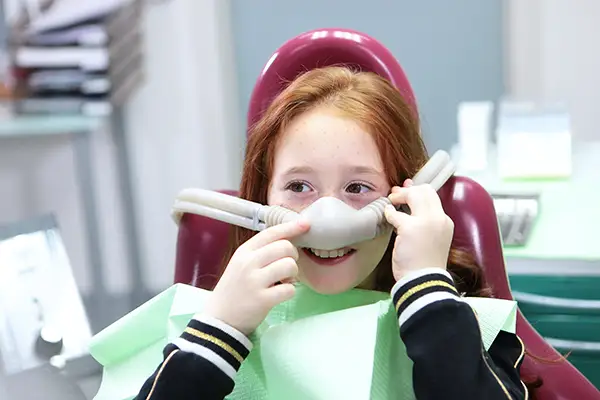 A baby root canal is nearly always a one-visit treatment, and the appointment tends to run under an hour. A baby root canal is nearly always a one-visit treatment, and the appointment tends to run under an hour.
Getting Your Child Comfortable
We start by confirming your child cannot feel the tooth, numbing it and allowing that to set in completely. A child who feels wound up often loosens up with nitrous oxide, the gentle gas commonly known as laughing gas, which fades quickly once we are done. Should your child need more than that, we can go over other sedation options for kids.
Clearing the Decay
With the tooth numb, we lift out the decay and the irritated pulp within the crown. This is the step that relieves the ache, because the swollen tissue behind the pain is precisely what we remove. The sound tissue deeper in the roots is left alone.
Sealing and Crowning the Tooth
After that, we place a medicated material across the healthy tissue to soothe it and block infection, then close the tooth off. Since a treated tooth grows more fragile, we finish with a crown that lets your child chew as before and holds the tooth in place until it falls out on schedule.
Heading Home
Most children resume their day shortly after, held back by no more than mild tenderness while the numbness fades. We send you home with straightforward aftercare and remain reachable for any questions. And if your child ever faces a sudden toothache or a knocked-out tooth, our team also handles pediatric dental emergencies in Statesville.
Why Saving the Tooth Is Worth It
A pulpotomy hands your child a set of gains that pulling the tooth cannot, and every one of them flows from keeping the natural tooth on the job.
Start with space. A baby molar saves the spot for the permanent tooth rising beneath it, and pulling it too soon lets the neighboring teeth tip into the opening. That can leave the adult tooth short on room and trigger alignment problems that take more work to undo down the line.
Then there is comfort and function. A kept tooth lets your child chew a full range of foods and shape sounds clearly, and taking out the inflamed nerve tissue ends the toothache that started it all. A sturdy crown lets the tooth take on normal chewing right away, and most children feel better within a day.
Keeping the tooth tends to spare you extra steps as well. Your child usually sidesteps the gap, the space maintainer, and the follow-up visits that an early extraction can set off. To see just how much these small teeth do, our page on why baby teeth matter spells it out.
Why Statesville Families Choose Our Pediatric Team
Filling a cavity is something a general dentist handles routinely, but a baby root canal on a young child calls for a team immersed in pediatric care. Statesville Pediatric Dentistry belongs to a network of pediatric practices across North Carolina, and every part of our office, from the waiting room to the way we coach a nervous child through a step, is shaped around young patients.
That everyday experience steers the small calls that keep a pulpotomy moving smoothly. We can sense when a child needs the pace eased and when they are ready to carry on, and we tailor the comfort options to the child in front of us. When a family arrives shaken by a rough visit elsewhere, that judgment often turns what they dreaded into a calm appointment.
Keeping your child’s care under one roof helps as well. A tooth we treat now may later call for a sealant or another form of restorative dentistry in Statesville, and returning to a team your child already knows takes the edge off every visit. Our purpose never wavers: safeguard this tooth and the adult smile coming in behind it.
Baby Root Canal Cost and Insurance
It is fair to want a clear picture of cost, and we are happy to give you one. The price of a pulpotomy depends on which tooth is involved, whether it needs a crown, and the comfort options your child uses that day. Those details shift from child to child, so a precise number comes once our team has had a look at the tooth.
A good number of dental plans cover pulpotomies and their crowns, since both address active decay rather than cosmetics. Our front desk will gladly review your benefits and explain your portion before we start. The plans we take and the payment options we offer are listed on our financial and office policies page as well.
If cost is the thing giving you pause, let us talk it over. Handling decay now is nearly always cheaper and simpler than letting a small cavity grow into an infection. Reach our Statesville office at (980) 391-2407 and we will help you make sense of coverage and what comes next.
Schedule Your Child’s Visit in Statesville
Is your child dealing with a toothache, or did a checkup reveal a deep cavity? Our Statesville team can let you know whether a pulpotomy is the right step. Reach us at (980) 391-2407 or request an appointment online. You will find our office at 1454 Fern Creek Drive in Statesville, NC. You can also Click Here to Book an Online Appointment whenever it works for you.
Frequently Asked Questions
How is a baby root canal different from an adult one?
It is a smaller treatment. A baby root canal clears the diseased pulp from the crown of the tooth only and leaves the healthy roots in place, so the visit is shorter and less involved than the full procedure an adult has, and it costs less for the same reason. Most children sit through it about as easily as a routine filling.
Will my child feel pain during treatment?
Your child should not feel the tooth, because we numb it fully before we begin. Nitrous oxide is on hand to help a nervous child relax. Afterward, most children have only mild tenderness for a short while, and a children’s over-the-counter medicine usually covers it. If your child has had a hard time at the dentist before, tell us, and we will build in extra comfort steps.
Does the treated tooth still fall out on its own?
Yes. A pulpotomy does not change when the baby tooth sheds. The tooth stays in place doing its job, and when the permanent tooth underneath is ready, the treated baby tooth and its crown loosen and fall out the way any baby tooth would. Saving it simply keeps the tooth working in the meantime.
Why not just remove the tooth?
Because taking a baby tooth out early can create problems a pulpotomy avoids. A baby molar holds space for the adult tooth forming beneath it, and removing it too soon lets nearby teeth drift into the gap, which can crowd the permanent tooth later. Saving the tooth keeps your child chewing normally and often avoids the need for a space maintainer. We suggest removal only when a tooth cannot be saved.
My child gets very anxious. What can help?
We treat anxious children every day, and most do better than parents expect once they feel safe. We keep our explanations simple, move at your child’s pace, and offer nitrous oxide to help them relax. When a child needs more support to get through treatment, deeper sedation for kids is available so the visit stays calm and the care still gets done.
What does recovery look like afterward?
Recovery is usually quick and quiet. Most children are back to normal the same day, with mild tenderness that eases within a day or two. Softer foods for the first day help if the area feels sensitive, and gentle brushing around the crown keeps it clean. Call us if you notice swelling, a fever, or discomfort that does not settle down.
Will my child need a crown afterward?
In most cases, yes. A tooth that has had a pulpotomy is more brittle, so a crown protects it from cracking and lets your child chew without trouble. A back tooth usually gets a durable metal crown, while a visible front tooth can take a tooth-colored one as part of our restorative care for children. The crown comes off on its own when the baby tooth is ready to fall out.
Where can my child get a baby root canal in Statesville?
Our team provides baby root canals at Statesville Pediatric Dentistry on Fern Creek Drive in Statesville. Because we treat only children, the office and the appointment are built around young patients, which makes a pulpotomy far less stressful for them. We keep each visit comfortable and walk you through every step before treatment begins.
|