Baby Root Canals (Pulpotomy) in Sherrills Ford, NC
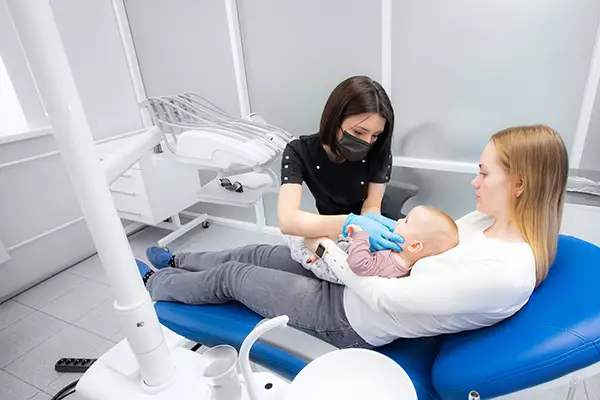 If your child has never needed dental work before, a baby root canal, or pulpotomy, is a routine, gentle treatment, and our team handles it for families in Sherrills Ford, NC. A pulpotomy treats a baby tooth once decay reaches the nerve inside it, the point where a filling is no longer enough but the tooth can usually still be saved. We remove the diseased tissue from the top of the tooth, settle the area, and seal it under a crown, so your child keeps the tooth until it falls out naturally. If your child has never needed dental work before, a baby root canal, or pulpotomy, is a routine, gentle treatment, and our team handles it for families in Sherrills Ford, NC. A pulpotomy treats a baby tooth once decay reaches the nerve inside it, the point where a filling is no longer enough but the tooth can usually still be saved. We remove the diseased tissue from the top of the tooth, settle the area, and seal it under a crown, so your child keeps the tooth until it falls out naturally.
There is good reason to save it. A baby molar holds the place for the permanent tooth developing beneath it, and an early loss can crowd the bite later on. At Sherrills Ford Pediatric Dentistry, children are the only patients we see, which shapes everything from the feel of the office to the way we guide a first-time patient through each step.
A little worry is natural when this is new ground for your family. What helps to know is that a pulpotomy is a routine, predictable treatment, and we numb the tooth completely first, so most children come through it just fine. It is one of the extractions and pulpotomies we use to keep young teeth healthy, and saving a tooth is almost always gentler than removing it.
On This Page
A Closer Look at the Treatment
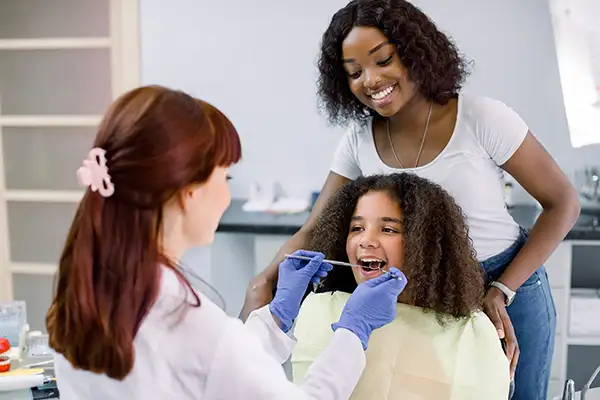 A baby root canal, or pulpotomy, saves a tooth after decay reaches the pulp, the soft core of nerves and blood vessels inside it. Our team removes the inflamed pulp from the crown of the tooth, sets in a medicated material that calms the healthy tissue still in the roots and guards against infection, then seals the tooth beneath a crown. The ache settles, and the tooth goes back to handling everyday chewing until your child loses it naturally. A baby root canal, or pulpotomy, saves a tooth after decay reaches the pulp, the soft core of nerves and blood vessels inside it. Our team removes the inflamed pulp from the crown of the tooth, sets in a medicated material that calms the healthy tissue still in the roots and guards against infection, then seals the tooth beneath a crown. The ache settles, and the tooth goes back to handling everyday chewing until your child loses it naturally.
The name catches many parents off guard, since it sounds like the longer procedure adults sometimes need. That one clears the pulp from the entire tooth, roots included. A pulpotomy is intentionally more limited, working on the crown alone and leaving the living root tissue in place, which is the right fit for a tooth that will be gone within a few years.
Signs a Tooth May Need Treatment
Decay can reach the nerve before your child says much, so the signs can be easy to miss. Watch for a toothache that lingers, sensitivity to hot or cold, a tender bump on the gum, or a tooth that darkens. Often there is no symptom at all, and our team finds it during an exam or on an X-ray. Most cases start as everyday early childhood cavities that quietly spread.
When a Tooth Cannot Be Saved
A pulpotomy works only when the tissue in the roots is still healthy. If infection has moved into the root or an abscess has formed, removing the tooth is the safer choice, and we often follow with a space maintainer that keeps the gap open so the adult tooth has room to come in straight. We always show you what we find and explain why one path fits the tooth better than the other.
Our Pediatric Dentists in Sherrills Ford
Every dentist on our team is a pediatric specialist who finished a residency after dental school devoted entirely to treating children. That background matters in a baby root canal, where reading a young tooth accurately and keeping a child relaxed count as much as the treatment itself. You can get to know the dentists who care for our patients on our Meet the Doctors section.
Caring for children well goes beyond clinical skill. Our dentists and team describe each step in words a child can follow, give young patients a say in the pace, and slow down for a child who needs a moment. In a pulpotomy, that might mean letting your child look at a tool first, talking through what comes next, or pausing so a question gets answered.
How the Appointment Goes
A baby root canal is almost always finished in one visit, and the appointment usually takes less than an hour.
Helping Your Child Settle
We begin by making sure your child cannot feel the tooth, numbing the area and letting that take full hold. A child who feels uneasy often relaxes with nitrous oxide, a mild gas that clears quickly once we finish. If your child needs more help to settle, we can walk you through other sedation options for kids.
Removing the Decay
With the tooth numb, we clear away the decay and the inflamed pulp inside the crown. That step is what lifts the ache, because the inflamed tissue driving the pain is exactly what comes out. The healthy tissue lower in the roots stays where it is.
Sealing and Capping
We then set a medicated material over the healthy tissue to calm it and hold off infection, and we seal the tooth. Since a treated tooth becomes more brittle, we finish with a crown that lets your child chew as usual and keeps the tooth in service until it sheds on schedule.
Heading Home
Most children carry on with their day soon after, bothered by little more than mild tenderness as the numbness fades. We send you off with simple care steps and stay reachable for questions. If your child ever has a sudden toothache or a knocked-out tooth, our team also handles pediatric dental emergencies in Sherrills Ford.
What Saving the Tooth Means
When a tooth can be saved, a pulpotomy gives your child advantages an extraction cannot, and each one comes from keeping the natural tooth at work.
| • |
Room for the adult tooth – The baby molar holds the space the permanent tooth needs, helping it come in straight instead of crowded
|
| • |
Normal eating and clear speech – With the tooth kept and the sore nerve tissue gone, your child keeps eating a full range of foods and speaking clearly
|
| • |
Fewer steps down the road – Saving the tooth usually skips the gap, the space maintainer, and the follow-up visits an early extraction can bring |
Protecting a baby tooth is really about protecting the adult smile coming in behind it. For a fuller picture of how much these small teeth do, our page on why baby teeth matter lays it out.
Why Sherrills Ford Families Choose Our Pediatric Team
 A general dentist can fill a cavity, but a baby root canal on a young child fits better with a team that treats kids every day. Sherrills Ford Pediatric Dentistry is part of a network of pediatric practices across North Carolina, and our office, down to the way we walk a worried child through a step, is built around young patients. A general dentist can fill a cavity, but a baby root canal on a young child fits better with a team that treats kids every day. Sherrills Ford Pediatric Dentistry is part of a network of pediatric practices across North Carolina, and our office, down to the way we walk a worried child through a step, is built around young patients.
That daily experience shapes the small judgments that keep a pulpotomy on track. We can tell when a child needs a slower pace and when they are ready to keep going, and we fit the comfort options to the child in front of us. For a family new to dental treatment, that read often turns a nervous first visit into an easy one.
Keeping your child’s care under one roof helps as well. A tooth we treat today may later need a sealant or another kind of restorative dentistry in Sherrills Ford, and coming back to a team your child already trusts makes each visit lighter. Our aim holds steady throughout: protect this tooth and the permanent smile forming behind it.
Baby Root Canal Cost and Insurance
Cost is a fair thing to ask about, and we will give you a straight answer. What a pulpotomy runs comes down to which tooth is treated, whether a crown is part of it, and the comfort options your child needs that day. Since those differ from one child to the next, the most accurate number comes after our team has looked at the tooth.
Many dental plans help with pulpotomies and the crowns that go with them, because both treat active decay rather than appearance. Our front desk is glad to check your benefits and walk through your share before treatment begins. You can also look over the plans we accept and the payment options we offer on our financial and office policies.
If cost is what is keeping you on the fence, talk it through with us. Treating decay now is almost always simpler and less expensive than waiting for a small cavity to turn into an infection. Call our Sherrills Ford office at (980) 291-9087 and we will help you sort out coverage and next steps.
Schedule Your Child’s Visit in Sherrills Ford
Has your child had a toothache, or did a checkup turn up a deep cavity? Our Sherrills Ford team can tell you whether a pulpotomy is the right fix. Call us at (980) 291-9087 or request an appointment online. Our office is at 7856 Village Center N Suite 200 in Sherrills Ford, NC. You can also Click Here to Book an Online Appointment whenever it suits you.
Frequently Asked Questions
How is a baby root canal different from an adult one?
It is a smaller treatment. A baby root canal clears the diseased pulp from the crown of the tooth only and leaves the healthy roots alone, so the visit is shorter and less involved than the full procedure an adult has, and it costs less for the same reason. Most children sit through it about as easily as a routine filling.
Will my child feel pain during treatment?
Your child should not feel the tooth, because we numb it fully before we begin. Nitrous oxide is on hand to help a nervous child relax. Afterward, most children have only mild tenderness for a short while, and a children’s over-the-counter medicine usually covers it. If your child has had a hard time at the dentist before, tell us, and we will build in extra comfort steps.
This is our first time. What should we expect?
A calm, single visit that usually runs under an hour. We explain each step in words your child can follow, numb the tooth fully, and offer nitrous oxide if it helps them relax. Because we treat only children, the office and the pace are built around young patients, so a first treatment tends to go more smoothly than parents expect.
Why not just take the tooth out?
Because removing a baby tooth early can cause problems a pulpotomy avoids. A baby molar holds space for the adult tooth forming beneath it, and taking it out too soon lets nearby teeth drift into that space, which can crowd the permanent tooth later. Saving the tooth keeps your child chewing normally and often skips the need for a space maintainer. We recommend removal only when a tooth cannot be saved.
My child gets very anxious. What can help?
We treat anxious children every day, and most do better than parents expect once they feel safe. We keep our explanations simple, move at your child’s pace, and offer nitrous oxide to help them relax. When a child needs more support to get through treatment, deeper sedation for kids is available so the visit stays calm and the care still gets done.
Will my child need a crown afterward?
In most cases, yes. A tooth that has had a pulpotomy is more brittle, so a crown protects it from cracking and lets your child chew without trouble. A back tooth usually gets a durable metal crown, while a visible front tooth can take a tooth-colored one as part of our restorative care for children. The crown comes off on its own when the baby tooth is ready to fall out.
What does recovery look like afterward?
Recovery is usually quick and quiet. Most children are back to normal the same day, with mild tenderness that eases within a day or two. Softer foods for the first day help if the area feels sensitive, and gentle brushing around the crown keeps it clean. Call us if you notice swelling, a fever, or discomfort that does not settle down.
Where can my child get a baby root canal in Sherrills Ford?
Our team provides baby root canals at Sherrills Ford Pediatric Dentistry on Village Center North in Sherrills Ford. Because we treat only children, the office and the appointment are built around young patients, which makes a pulpotomy far less stressful for them. We keep each visit comfortable and walk you through every step before treatment begins.
|