Baby Juice Bottles
Posted on 8/15/2026 by NC Pediatric Dentistry |
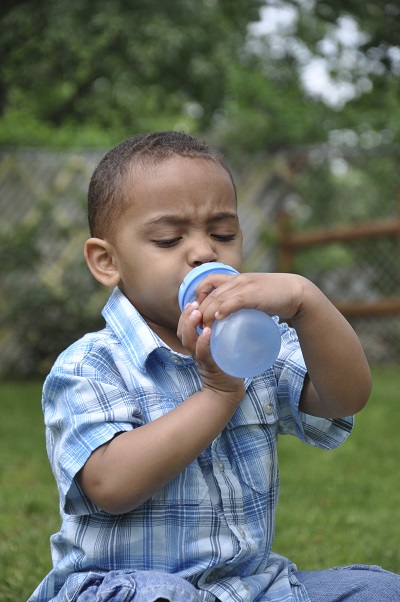 Many parents wonder about giving juice to their babies and young children. It seems like a healthy option, packed with vitamins! However, constantly sipping on juice from a bottle can have some serious consequences for your child's teeth. Let's explore why juice in bottles, especially for prolonged periods, can contribute to tooth decay and what you can do to keep your little one's smile healthy. Many parents wonder about giving juice to their babies and young children. It seems like a healthy option, packed with vitamins! However, constantly sipping on juice from a bottle can have some serious consequences for your child's teeth. Let's explore why juice in bottles, especially for prolonged periods, can contribute to tooth decay and what you can do to keep your little one's smile healthy.
What's the Problem with Juice?
Juice, even 100% fruit juice, contains natural sugars. These sugars, while not "added" in the same way as in soda, still feed the bacteria that live in our mouths. These bacteria then produce acids that attack tooth enamel. Enamel is the hard, outer layer of the tooth that protects it from decay.
When a child sips on juice throughout the day, the teeth are constantly bathed in sugar. This constant exposure means the bacteria are constantly producing acid, leaving little time for the saliva to neutralize the acid and remineralize the enamel. This is especially problematic when juice is given in a bottle, as the nipple directs the sugary liquid to pool around the front teeth, which are often the first to be affected by decay.
The Link Between Juice and Tooth Decay
Prolonged exposure to sugary liquids like juice is a primary cause of what we call "baby bottle tooth decay," or early childhood caries. This type of decay can be aggressive and quickly damage multiple teeth. It often affects the upper front teeth first, but can spread to other teeth if left untreated.
Decay starts as small, white spots on the teeth. These spots are areas where the enamel has begun to weaken. Over time, these spots can turn into cavities, which are holes in the teeth. Cavities can cause pain, sensitivity, and difficulty eating. If left untreated, they can even lead to infections that can affect a child's overall health.
Alternatives to Juice in Bottles
So, what's a parent to do? Here are some healthier alternatives to giving juice in a bottle:
| • |
Water: Water is the best choice for hydration. It cleanses the mouth and doesn't contribute to tooth decay. Encourage your child to drink water throughout the day. |
| • |
Whole Fruits: Instead of juice, offer whole fruits like apples, bananas, and berries. Whole fruits contain fiber, which slows down the absorption of sugar and helps to clean the teeth. |
| • |
Milk: Milk is a good source of calcium and vitamin D, essential for strong teeth and bones. Limit milk consumption to mealtimes and avoid giving it in a bottle for extended periods. |
| • |
Diluted Juice (in Moderation): If you choose to give juice, dilute it with water (e.g., half juice, half water) and offer it only during mealtimes. Avoid giving juice in a bottle and encourage your child to drink it from a cup. |
Tips for Protecting Your Child's Teeth
| • |
Limit Juice Intake: Reduce the amount of juice your child drinks and the frequency with which they drink it. |
| • |
Offer Juice at Mealtimes Only: Avoid letting your child sip on juice throughout the day. |
| • |
Clean Your Child's Teeth Regularly: Start cleaning your child's teeth as soon as they erupt. Use a soft-bristled toothbrush and fluoride toothpaste (appropriate for their age). |
| • |
Schedule Regular Dental Checkups: Bring your child to the dentist for regular checkups, starting around their first birthday or within six months of their first tooth erupting. A dentist can identify early signs of decay and provide preventive treatments. |
By understanding the risks associated with juice in bottles and following these tips, you can help protect your child's teeth and ensure a healthy, happy smile for years to come. Remember, healthy habits start early!
|
|