ADA Accessibility Information
Accessibility

A
A

A
Home For Parents Dental Blog What Is Sealant And What Is It Used For?

What Is Sealant And What Is It Used For?


Posted on 6/1/2026 by NC Pediatric Dentistry
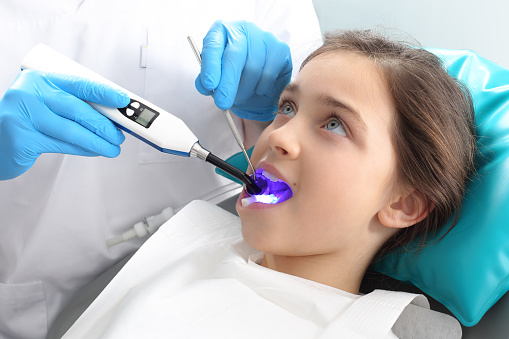
Little girl getting dental sealantHave you ever heard of something that can help protect your teeth from cavities? It's called a dental sealant, and it's like a shield for your teeth! Let's explore what it is and how it works.

What Is A Dental Sealant?


A dental sealant is a thin, plastic coating that a dentist or hygienist paints onto the chewing surfaces of your back teeth (molars and premolars). These teeth have natural pits and grooves where food and bacteria can easily get stuck, even with regular brushing. Think of it like trying to clean a bumpy road – it's tough to get into all the little cracks! The dental sealant fills in these grooves, creating a smooth surface that's easier to keep clean.

Why Are Dental Sealants Important?


Dental sealants are an excellent way to prevent cavities, especially in children and teenagers. Here’s why:

•  Barrier against Bacteria: The sealant creates a physical barrier that prevents bacteria and food particles from coming into direct contact with the tooth enamel. Bacteria feed on sugars and produce acids that can erode the enamel, leading to cavities.
•  Protects Vulnerable Areas: The chewing surfaces of molars are particularly prone to decay because they are difficult to reach with a toothbrush. Sealants provide extra protection in these hard-to-reach areas.
•  Long-Lasting Protection: When properly applied and maintained, sealants can last for several years. Regular dental check-ups will ensure they remain intact and effective.

How Are Sealants Applied?


The application process is simple, painless, and usually takes only a few minutes per tooth. Here's what to expect:

1~ Cleaning: The tooth surface is thoroughly cleaned to remove any plaque or debris.
2~ Etching: A special solution is applied to the tooth to slightly roughen the surface. This helps the sealant bond better to the enamel.
3~ Rinsing and Drying: The etching solution is rinsed off, and the tooth is dried.
4~ Sealant Application: The dental sealant material is painted onto the tooth surface, filling in the grooves and pits.
5~ Curing: A special light is used to harden the sealant, creating a strong, protective layer.

Who Should Get Sealants?


While anyone can benefit from sealants, they are most commonly recommended for:

•  Children and Teenagers: Newly erupted molars are most vulnerable to decay, making sealants a great preventative measure for young patients.
•  Individuals with Deep Grooves: People with naturally deep grooves and pits in their molars may benefit from sealants, regardless of age.
•  Individuals with a History of Cavities: If you have a history of cavities, sealants can help protect your teeth from further decay.

Are Sealants Safe?


Yes, dental sealants are considered safe. The materials used are biocompatible and have been used in dentistry for many years. The amount of Bisphenol A (BPA) released from sealants is extremely low and considered harmless.


A BETTER DENTAL EXPERIENCE


NC’s Premier network of pediatric dental practices is committed to delivering a full suite of trusted, comfortable, and informative oral care services. With kid-centric spaces and experiences, we teach kids how to care for their smiles.

Sitemap
Copyright © 2024-2026 NC Pediatric Dentistry and WEO Media - Dental Marketing (Touchpoint Communications LLC). All rights reserved.
NC Pediatric Dentistry, 202 Williamson Rd. Suite 200, Mooresville, NC 28117 + tbd + ncpediatricdentistry.com + 6/2/2026 + Associated Words: pediatric dentist +