ADA Accessibility Information
Accessibility

A
A

A
Home For Parents Dental Blog Are Pacifiers Really Bad?

Are Pacifiers Really Bad?


Posted on 5/1/2026 by NC Pediatric Dentistry
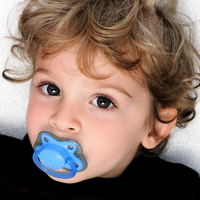
Baby with pacifierSo, you're probably wondering about pacifiers. Are they a comforting tool for your little one, or a pathway to dental problems down the road? The truth, as with many things related to children’s health, is a bit more nuanced than a simple "yes" or "no." Let's explore the world of pacifiers and how they can affect your child's oral health.

# The Pacifier: Friend or Foe?


Many babies have a natural sucking reflex. A pacifier can provide comfort and security, especially when a baby is fussy or trying to fall asleep. Pacifiers can be particularly helpful for soothing infants and might even reduce the risk of Sudden Infant Death Syndrome (SIDS), according to some studies. They can also be a lifesaver on long car rides or during stressful situations.

However, prolonged pacifier use can potentially lead to dental changes. The biggest concern is how it might affect the way your child's teeth and jaws develop over time.

# Potential Dental Effects


When a child uses a pacifier for extended periods, especially beyond the age of two or three, it can influence the alignment of their teeth. One common issue is an open bite, where the upper and lower front teeth don't meet when the mouth is closed. Another potential problem is a crossbite, where some of the upper teeth sit inside the lower teeth. Overbites are also possible.

These dental changes are generally more pronounced and likely to occur with prolonged and vigorous sucking habits. The good news is that many of these changes will self-correct after the pacifier use stops, particularly if the habit is discontinued before the permanent teeth start to erupt.

# Minimizing the Risks


If you choose to offer your child a pacifier, here are some tips to minimize potential dental issues:

•  Limit use: Try to reserve the pacifier for naptime and bedtime, rather than allowing constant access throughout the day.
•  Wean gradually: The longer a child uses a pacifier, the more difficult it may be to break the habit. Start reducing pacifier use around the age of two, with the goal of completely discontinuing it by age four.
•  Choose the right pacifier: Opt for orthodontic pacifiers, which are designed to minimize the impact on tooth alignment. Ensure the pacifier is age-appropriate and made of safe materials.
•  Avoid dipping in sweets: Never dip a pacifier in honey, sugar, or juice. This can significantly increase the risk of tooth decay.
•  Regular dental checkups: Regular visits to a pediatric dentist are crucial for monitoring your child's oral health and addressing any potential problems early on.

# Alternatives to Pacifiers


If you're concerned about the potential dental effects of pacifiers, there are alternative ways to soothe your child. These include:

•  Comfort objects: A soft blanket or favorite stuffed animal can provide a sense of security.
•  Rocking and cuddling: Physical comfort from a caregiver is often the most effective way to soothe a baby.
•  Distraction: Engaging your child with toys, books, or songs can help redirect their attention.

# The Takeaway


Pacifiers can be a valuable tool for soothing infants, but it's important to be aware of the potential dental effects of prolonged use. By following these tips and consulting with your pediatric dentist, you can make informed decisions about pacifier use and help ensure your child's healthy smile.


A BETTER DENTAL EXPERIENCE


NC’s Premier network of pediatric dental practices is committed to delivering a full suite of trusted, comfortable, and informative oral care services. With kid-centric spaces and experiences, we teach kids how to care for their smiles.

Sitemap
Copyright © 2024-2026 NC Pediatric Dentistry and WEO Media - Dental Marketing (Touchpoint Communications LLC). All rights reserved.
NC Pediatric Dentistry, 202 Williamson Rd. Suite 200, Mooresville, NC 28117 / tbd / ncpediatricdentistry.com / 5/5/2026 / Page Terms:pediatric dentist /