Signs Your Child May Have a Tongue Tie That Went Undiagnosed in Infancy
Posted on 4/15/2026 by NC Pediatric Dentistry |
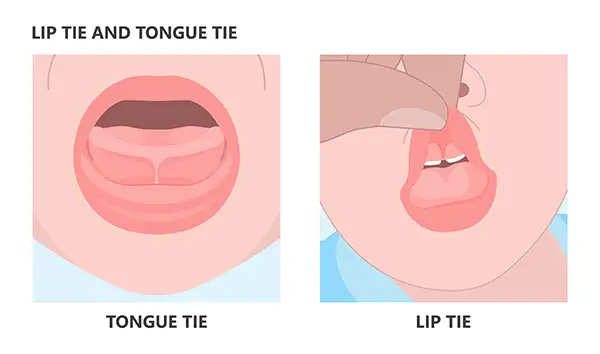 Tongue ties aren’t always caught at birth, and many North Carolina children grow up with one that was never identified during infancy. While newborn screenings have improved, a tight or thick lingual frenulum can easily be overlooked, especially if breastfeeding went smoothly or the tie is mild. As your child grows, though, that restricted tongue movement can start causing real problems with speech, eating, and even dental health. Tongue ties aren’t always caught at birth, and many North Carolina children grow up with one that was never identified during infancy. While newborn screenings have improved, a tight or thick lingual frenulum can easily be overlooked, especially if breastfeeding went smoothly or the tie is mild. As your child grows, though, that restricted tongue movement can start causing real problems with speech, eating, and even dental health.
If you’ve noticed your child struggling with certain sounds or having a hard time keeping up at mealtimes, a tongue tie or lip tie could be the reason. This guide walks through the signs parents should watch for, how an undiagnosed tie affects daily life, and what treatment looks like. NC Pediatric Dentistry has offices across North Carolina where our team can help.
On This Page
What Is a Tongue Tie?
A tongue tie, known clinically as ankyloglossia, happens when the strip of tissue connecting the bottom of the tongue to the floor of the mouth is unusually short, thick, or tight. This tissue is called the lingual frenulum, and when it restricts movement, your child’s tongue can’t reach the full range of motion it needs for speaking, swallowing, and even resting properly against the roof of the mouth.
Tongue ties affect roughly 4–11% of newborns, though exact numbers vary because mild ties often go undiagnosed. A similar condition called a lip tie involves the tissue connecting the upper lip to the gum. Both can exist at the same time, and both can be addressed with a simple frenectomy procedure.
Signs of an Undiagnosed Tongue Tie in Older Children
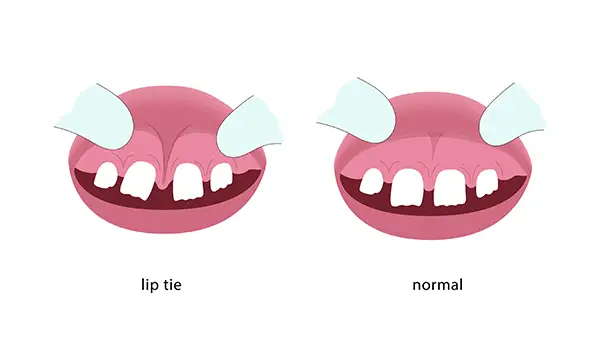 In infants, the most recognized symptom is difficulty breastfeeding. But when a tongue tie goes unnoticed, different signs emerge as a child gets older. Here are some of the most common ones parents describe to our team: In infants, the most recognized symptom is difficulty breastfeeding. But when a tongue tie goes unnoticed, different signs emerge as a child gets older. Here are some of the most common ones parents describe to our team:
- Speech difficulties – Trouble pronouncing sounds like “l,” “r,” “t,” “d,” and “s” is one of the earliest flags
- Messy eating – Difficulty moving food around the mouth, slow chewing, or gagging on certain textures
- Limited tongue movement – Inability to stick the tongue out past the lower teeth or touch the roof of the mouth
- Heart-shaped tongue tip – When extended, the tongue may appear notched or pulled inward at the center
- Mouth breathing – A restricted tongue can’t rest against the palate properly, which may contribute to habitual mouth breathing
Some children also develop a gap between the two lower front teeth because the tight frenulum pulls on the gum tissue. If you’ve seen any combination of these, it’s worth having your child evaluated.
How Tongue Ties Affect Speech, Eating, and Dental Health
Speech is often the area that prompts parents to seek answers. Certain consonant sounds require the tongue to press firmly against the palate or the back of the teeth. When the frenulum won’t allow that full range of contact, kids compensate by reshaping how they form words. A speech therapist may identify progress plateaus that suddenly make sense once a tongue tie is discovered.
Eating can be just as frustrating. Older children with tongue ties sometimes avoid foods that require a lot of chewing, take much longer to finish meals, or pocket food in their cheeks. These aren’t behavioral choices; the tongue simply can’t do its job well.
From a dental perspective, a restricted tongue can make oral hygiene harder. Sweeping food debris off teeth with the tongue is a natural self-cleaning action, and when that motion is limited, plaque tends to build up faster. Our pediatric dentistry team often spots these patterns during routine exams.
How a Frenectomy Can Help
A frenectomy is a quick, straightforward procedure that releases the tight frenulum. In many pediatric dental practices across North Carolina, including ours, laser technology makes the process faster and more comfortable than traditional methods. The laser cauterizes as it works, which means less bleeding and a shorter recovery.
Most children feel back to normal within a few days. After the release, stretching exercises are typically recommended to prevent the tissue from reattaching. In some cases, speech therapy may continue alongside the exercises to help your child retrain muscle patterns that were shaped around the restriction.
The best results happen when the frenectomy is paired with follow-up support. Our team walks every family through the aftercare steps so there are no surprises.
When to Talk to Your Pediatric Dentist
If any of the signs above sound familiar, a simple evaluation can confirm whether a tongue tie is the cause. NC Pediatric Dentistry has offices throughout North Carolina where our team can assess your child’s tongue and lip mobility, talk through your options, and answer your questions. Visit our locations page to find an office near you and schedule an appointment.
Frequently Asked Questions
Can a tongue tie correct itself as my child grows?
Tongue ties do not resolve on their own. The frenulum may stretch slightly over time, but the restriction will remain without treatment. Early evaluation helps determine whether intervention is needed.
At what age can a child have a frenectomy?
A frenectomy can be performed at almost any age, from newborns to teenagers. The ideal timing depends on the severity of the tie and the symptoms your child is experiencing.
Will my child need speech therapy after a frenectomy?
Not always, but it depends on how long the tongue tie affected your child’s speech. Children who have compensated for years may benefit from therapy to retrain muscle memory. Younger children often adapt more quickly on their own.
Is a tongue tie the same as a lip tie?
They’re related but different. A tongue tie involves the tissue under the tongue, while a lip tie involves the tissue connecting the upper lip to the gum. Both can be present at the same time and are treated with similar procedures.
Does a laser frenectomy hurt?
Most children experience very little discomfort. A topical numbing agent is applied before the procedure, and the laser itself minimizes bleeding and swelling. Recovery is typically quick, with most kids eating normally within a day or two.
|
|